
PPSR for Sellers: Complete Guide to Your Obligations When Selling a Vehicle
Last Updated: December 28, 2025
Next Review: March 2026
What PPSR Means for You as a Seller
If you still owe money on your vehicle, the lender has a security interest registered on the Personal Property Securities Register (PPSR). This must be cleared before your buyer can safely own the car. Registering on the PPSR offers significant benefits, including a low-cost way to protect your interests and improve your chances of secured payment if a buyer defaults or becomes insolvent.
This guide explains your PPSR obligations as a seller, how to check if your vehicle has active finance, the step-by-step process for clearing it before sale, and what happens if you don’t discharge the finance properly. Whether you’re a business owner or private seller, and whether you’re selling privately or to a dealer, understanding PPSR protects you and ensures a smooth, legitimate sale. Written for Australian vehicle sellers across NSW, VIC, QLD, WA, SA, TAS, ACT and NT, this page covers the national PPSR system introduced in 2012. PPSR isn’t a barrier—it’s a protection tool that helps responsible sellers avoid disputes and legal action.
Sell Faster, Build Trust — Provide a PPSR Report to Your Buyers
Buyers are cautious. They want proof that your car is debt-free before handing over cash. Providing an official PPSR certificate upfront removes doubt, speeds up negotiations, and sets you apart from other sellers. For just $2, you gain a competitive edge and close deals faster. Transparency sells cars.
- Why PPSR Matters for Sellers
- Understanding Your PPSR Obligations as a Seller
- How to Check If Your Vehicle Has Active Finance
- Clearing Finance Before Sale: Step-by-Step Process
- What Happens If You Have Active Finance
- PPSR and Private Sales vs Dealer/Commercial Sales
- PPSR Discharge Timeline and Logistics
- Protecting Yourself: Seller Best Practices
- Common Seller Mistakes with PPSR
- PPSR and Seller Liability
- Frequently Asked Questions (Sellers)
- Call to Action: Sell With Confidence Using PPSR
Why PPSR Matters for Sellers
When selling a car, PPSR issues mostly come down to one thing: whether there is any money still owing on the vehicle.
The Personal Property Securities Register is a national online database that records security interests in personal property, including motor vehicles. For sellers, this means any active car loan, lease or finance arrangement will be registered against your vehicle’s VIN.
Here’s the core seller issue. If your car is still under finance—say, $15,000 remaining on a 2021 loan with ANZ—the lender has a legal right recorded on PPSR. The term 'security interest' is a specific legal term under the PPSR framework, referring to the lender’s formal claim over the vehicle. That security interest must be discharged before the buyer gets clear title. Registering your interest on the PPSR as early as possible gives you the best chance of recovering your goods or payment if the customer defaults.
A Scenario That Goes Wrong
Imagine you receive $20,000 cash on 10 March 2025 for a used Toyota Hilux. You don’t pay out the loan. A week later, the lender runs a PPSR match, discovers the sale, and repossesses the vehicle from its new driveway.
The buyer loses the car. The buyer loses $20,000. The buyer sues you.

Consequences for the Seller
The fallout can include:
-
Civil action by the lender for the unpaid loan amount plus interest
-
The buyer suing for misrepresentation and demanding a full refund
-
Potential fraud investigation if you knew about the finance and stayed silent
-
Legal costs running into thousands of dollars
-
Damaged reputation making future private sales difficult
Under Australian Consumer Law and common law, sellers are expected to provide clear title. If a PPSR search shows an undisclosed encumbrance, saying “I didn’t know” is rarely an acceptable defence. Courts look at what a reasonable person would have done—and running a $2 PPSR check is hardly an unreasonable step.
How PPSR Protects Honest Sellers
Here’s the flip side. Checking early, clearing finance before settlement, and providing a PPSR certificate makes deals faster. Buyers trust you. Price haggling over “risk” disappears.
More buyers now routinely run their own PPSR check on vehicles they’re considering. Dealers always check. Any active finance will be questioned. If you’re prepared with a clear explanation and a plan to discharge the loan, the sale keeps moving.
Bottom line for responsible sellers:
-
Check your PPSR status before advertising
-
Clear any finance before transferring ownership
-
Provide the buyer with proof of discharge
-
Avoid the entirely avoidable disputes that come from ignoring PPSR requirements
Understanding Your PPSR Obligations as a Seller
Your responsibilities as a seller centre on three things: title, disclosure, and timing of repayment when the vehicle is financed.
What Is Clear Title?
Clear title means no active PPSR registrations, no unpaid car loans, no leasing company or finance company listed on the PPSR search certificate on the day of ownership transfer. In everyday terms, it means the buyer gets what they paid for—a vehicle free from other people’s claims.
Clear title also means there are no security interests registered over the vehicle or any other goods or assets being sold. While most people use the PPSR for vehicles, PPSR registrations can also apply to business assets, such as equipment or stock, to protect interests during buying and selling.
What You Must Do Before Selling
|
Step |
Action Required |
|---|---|
|
1 |
Confirm whether there is any finance owing on the vehicle |
|
2 |
Be truthful about any loan or lease when asked by buyers |
|
3 |
Ensure PPSR discharge before transferring ownership or handing over keys |
If you know there is active finance and stay silent, this can be misleading or deceptive conduct under the Australian Consumer Law. If done deliberately, it may amount to fraud.
In some cases, sellers may use a retention of title clause in the contract and register this interest on the PPSR to protect their rights until payment is received.
The Expected Sequence
-
Run a PPSR check on your own car
-
Contact the lender to confirm the payout figure
-
Plan when and how to clear the loan
-
Provide the buyer with an updated PPSR certificate after discharge
Worked Example Timeline
|
Day |
Action |
|---|---|
|
Monday 5 May 2025 |
Run PPSR search, see security interest from Macquarie |
|
Tuesday 6 May 2025 |
Get payout quote from Macquarie, valid for 10 days |
|
Friday 9 May 2025 |
Receive buyer funds, pay out Macquarie first |
|
Friday afternoon |
Send buyer fresh PPSR showing “no security interests recorded” |
Disclosure Requirements in Practice
Tell potential buyers:
-
Whether finance exists (yes or no)
-
The finance provider name (e.g., Westpac, Toyota Finance)
-
Approximate amount owing (e.g., “about $9,000 left”)
-
Your plan to clear it at or before settlement
-
Full disclosure is especially important if the customer is relying on your assurance that the vehicle is free of encumbrances
What would be considered dishonest? Claiming “finance is already cleared” when PPSR still shows an active registration. Stalling when the buyer asks for proof. Refusing to provide a recent PPSR certificate.
Consequences of Breaching These Obligations
-
Buyer may unwind the deal and demand a full refund
-
Buyer may claim damages for additional costs incurred
-
Lender may pursue you directly for the outstanding debt
-
Court orders or default judgments can affect your credit rating
The reassuring news is that complying with PPSR obligations is straightforward. A $2 search, a phone call to the lender, and timely repayment are usually all that is required.
How to Check If Your Vehicle Has Active Finance
Don’t rely on memory. Before listing your vehicle, conduct searches on the PPSR (Personal Property Securities Register) to ensure there are no undisclosed security interests registered against your car. Run a seller PPSR check on your own car before advertising it on Carsales, Facebook Marketplace, Gumtree, or offering it as a dealer trade-in.
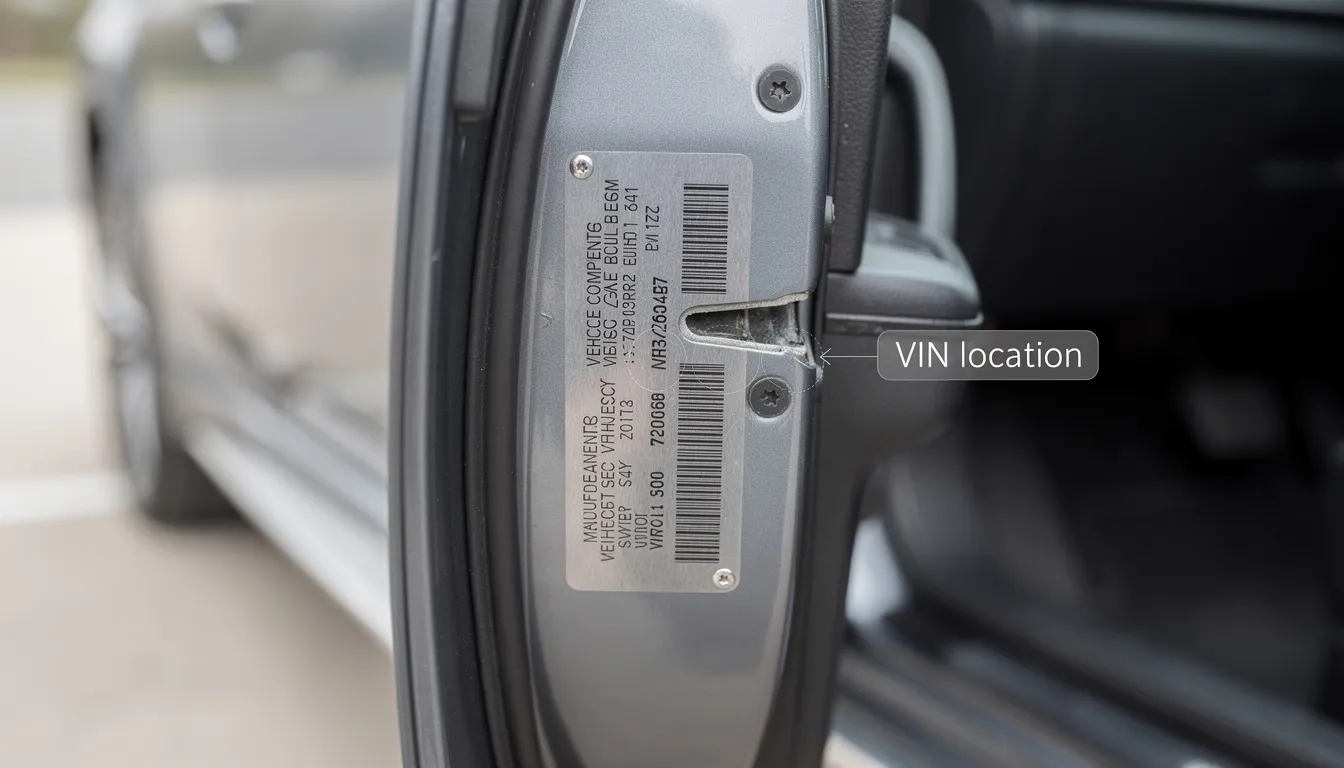
Step 1: Locate the VIN
Your Vehicle Identification Number is a unique 17-character code found in several places:
-
Compliance plate in the engine bay
-
Driver’s door pillar sticker
-
Registration papers
-
Insurance renewal notice
Step 2: Run the PPSR Search
Visit ppsr.gov.au or use a third-party provider:
-
Choose “Search the Register”
-
Select “Motor vehicle by VIN”
-
Enter the VIN carefully (double-check each character)
-
Pay the $2 fee
-
Download the official PDF search certificate
This takes under 5 minutes. Save the certificate with a clear filename like “PPSR-JTMHFREV70D123456-03-02-2025.pdf” for easy sharing with buyers.
Buyers typically conduct a PPSR search before buying goods such as vehicles to confirm there are no outstanding security interests or encumbrances, helping them avoid financial loss or legal issues related to repossession.
Step 3: Read the Result
|
Result |
What It Means |
Action Required |
|---|---|---|
|
“No security interests recorded” |
Vehicle is unencumbered |
Ready to sell freely |
|
“Active security interest” |
Finance or other claim exists |
Must be cleared before sale |
|
“Discharged” |
Past loan was repaid |
Historical record only, vehicle is clear |
What If You Find an Unexpected Active Interest?
If your PPSR search reveals something you didn’t expect—an old company lease from 2018 still showing as current—contact the listed secured party immediately. Investigate and arrange correction or discharge.
Sample Phone Call to Lender
“Hi, I’m calling about my car loan. My name is [your name], and the VIN is [provide VIN]. I’m selling the vehicle and need the current payout figure and information about the PPSR discharge process.”
The lender will provide:
-
Exact amount owing (including any early termination fees)
-
How long the payout quote is valid
-
Discharge timeline once payment is received
-
Process for confirming the PPSR has been updated
Before Settlement Day
Re-run a fresh PPSR search on the actual settlement day. This way, the buyer receives a certificate dated that day showing all security interests are cleared.
For commercial sellers dealing with fleets or novated leases, you may need to coordinate with your finance or fleet manager to get authorisation to speak with the lender and obtain discharge confirmation.
Clearing Finance Before Sale: Step-by-Step Process
This section is your practical step-by-step seller PPSR guide for clearing finance, whether the sale is private, a trade-in, or via consignment. Before completing the sale, your goal is to discharge any interest on the PPSR (Personal Property Securities Register) that is registered against your vehicle. This ensures there is no registered interest on the PPSR that could affect the buyer or delay the transfer of ownership.
Phase 1: Pre-Sale Planning
Before you list the vehicle:
|
Task |
Detail |
|---|---|
|
Run PPSR search |
Confirm current status ($2) |
|
Contact lender |
Get payout quote including any early termination fees |
|
Calculate net proceeds |
Sale price minus finance = your take-home |
Example calculation:
-
Expected sale price: $22,000
-
Remaining finance with NAB: $13,800
-
Estimated net to seller: $8,200 (before transfer duty or other costs)
Phase 2: Marketing and Negotiation
If asked about finance, tell the truth. Reassure buyers that finance will be cleared at settlement and that you’ll provide proof—an updated PPSR certificate and lender confirmation.
Payment structure options:
-
Buyer pays the lender directly for the payout amount, then pays the balance to you
-
Buyer pays full amount into your account at the lender branch or online, and you immediately transfer the payout to the lender while the buyer watches
For higher-value vehicles (e.g., a $40,000 SUV), consider completing settlement at a bank branch so both parties can see the payout processed in real time.

Phase 3: Lender Discharge Steps
Once the lender receives funds:
-
Loan is marked as fully paid
-
Lender submits an electronic PPSR discharge
-
Within 1–3 business days, the PPSR search shows “no security interests recorded”
Request written confirmation from the lender. An email stating: “As of 18 July 2025, the loan for VIN XYZ has been fully repaid and the PPSR security interest will be discharged.”
Phase 4: Proof and Settlement Documents
After discharge is processed:
-
Run a fresh PPSR search showing “no security interests recorded”
-
Give this certificate to the buyer
-
Provide a signed receipt
-
Complete the transfer of registration form
-
Hand over remaining service records
For business or commercial sellers, clearing finance may involve internal finance approvals. Start the discharge process at least 5–7 business days before the intended settlement date.
Following a clear, documented process protects both parties. It’s now expected best practice for selling a financed vehicle in Australia.
What Happens If You Have Active Finance
Having active finance does not stop you from selling. But it changes how the sale must be structured and introduces extra risks if mishandled.
Common Seller Situations
-
Selling a car during a 5-year loan term
-
Ending a novated lease early
-
Downsizing after redundancy
-
Trading in a vehicle with a balloon payment due in 6 months
When PPSR shows an active registration, the secured party (Toyota Finance, Latitude, a bank or credit union) has the legal right to repossess the vehicle if repayments are not made—even after the car is in a new buyer’s driveway.
The Good Path
|
Step |
What Happens |
|---|---|
|
1 |
Seller tells buyer about the finance |
|
2 |
Sale funds are used to pay out the loan on settlement day |
|
3 |
Lender discharges PPSR |
|
4 |
Buyer gets clear title with documentation |
Everyone is protected. No disputes.
The Bad Path
|
Step |
What Happens |
|---|---|
|
1 |
Seller pockets buyer’s money on 1 September 2025 |
|
2 |
Seller misses loan payments |
|
3 |
Lender searches PPSR, tracks the car |
|
4 |
Repossession occurs |
|
5 |
Buyer loses car and money |
|
6 |
Both buyer and lender initiate legal action against seller |
In any dispute, courts will look at the PPSR records, payment history, and whether the seller misled the buyer about the existence of the loan.
Important Clarification
Simply transferring registration with the state transport authority (Service NSW, VicRoads, TMR QLD) does not remove PPSR finance. The Personal Property Securities Register is a separate national register. It must be cleared through the lender.
Buyers who discover active PPSR finance at pre-settlement may insist on changing the settlement method (such as paying the lender directly) or may walk away entirely if the seller cannot provide a reliable plan and timeline for discharge.
If You Cannot Clear the Finance
If you’re in financial hardship and cannot clear the finance from sale proceeds, talk to your lender before advertising the vehicle. The lender may need to approve the sale or consider a shortfall arrangement.
Knowingly selling a heavily encumbered car in a private sale without disclosure can lead to police involvement where there is evidence of deliberate fraud—particularly with multiple victims and clear intent.
PPSR and Private Sales vs Dealer/Commercial Sales
PPSR applies whether the buyer is a private individual or a licensed dealer. But the way risks are managed differs between these transaction types. The Personal Property Securities Register (PPSR) is also relevant for hiring, leasing, and the sale of business assets such as machinery and stock, not just vehicle sales.
Private Sales
In a private sale:
-
Buyers often insist on seeing a current PPSR certificate
-
Buyers may want to pay the lender directly
-
Buyers are more cautious if the seller appears vague about the loan or discharge process
Typical private sale workflow:
-
List the car online
-
Share the VIN so the buyer can conduct their own PPSR search
-
Agree on price
-
Meet at a bank branch to clear finance and complete the transfer
Dealer Trade-Ins
When trading in to a dealer:
-
Dealers run their own PPSR checks as standard practice
-
They calculate the payout figure themselves
-
They often handle clearing finance as part of the trade-in process
-
The vehicle is only resold once the PPSR encumbrance is removed
Example: In June 2025, a seller trades in a Mazda CX-5 with $11,000 owing. The dealer contacts the finance company, pays out the loan from the trade-in allowance, and only then lists the vehicle for sale with no PPSR encumbrance.

Key Differences
|
Factor |
Private Sale |
Dealer Trade-In |
|---|---|---|
|
PPSR responsibility |
Seller manages process |
Dealer typically handles |
|
Speed |
7–14 days typical |
2–5 days typical |
|
Price offered |
Usually higher |
May be lower (dealer factors in risk/admin) |
|
Documentation |
Seller provides |
Dealer prepares |
Commercial Seller Considerations
For fleet disposals or ex-lease vehicles, finance may be in a company name. PPSR registrations might be part of broader asset finance facilities that require coordinated discharge. These facilities can also include intangible business assets such as intellectual property, with PPSR registrations used to protect rights in trademarks and other IP during business transactions.
Commercial sellers often work with their accountants or finance brokers to ensure all PPSR registrations tied to fleet finance are removed before vehicles are auctioned or wholesaled.
The Core Principle
Regardless of whether the buyer is a dealer or a private individual, your core legal obligation remains the same: do not finalise the sale until PPSR shows that any finance-related registrations have been discharged.
If trading in, ask the dealer for written confirmation that your trade-in’s finance will be paid out and PPSR discharged as part of the transaction—especially where there is negative equity involved.
PPSR Discharge Timeline and Logistics
PPSR discharge is not always instant. Sellers must factor in realistic timeframes to avoid frustrating buyers or delaying settlement.
Typical Discharge Timelines
|
Lender Type |
Typical Timeframe |
|
Big four banks (CBA, NAB, Westpac, ANZ) |
1–3 business days |
|
Smaller finance companies |
Up to 7 business days |
|
Credit unions |
2–5 business days |
When requesting your payout figure, ask specific timing questions:
“Once I pay this on 14 August 2025, when will you lodge the PPSR discharge?” “How will I know when it’s done?”
In most cases, lenders lodge discharge electronically via the PPSR portal. The visible update depends on government system processing times, which can vary.
Sample Timeline
|
Day |
Action |
|---|---|
|
Monday morning |
Payout made |
|
Monday |
Lender confirms same-day receipt |
|
Wednesday afternoon |
PPSR record shows “discharged” |
|
Thursday |
Fresh PPSR search shows “no security interests recorded” |
Planning Your Settlement Date
Build a buffer into your advertised settlement date. If you advertise in early May, plan final settlement for at least 3–5 business days after anticipated payout.
Documentation to Retain
Keep these records in case of any later dispute:
-
Lender payout receipt
-
Loan closure letter or email
-
PPSR certificate showing the encumbrance (before)
-
PPSR certificate showing it cleared (after)
If Discharge Is Delayed
Contact the lender’s settlement or securities team. Quote the loan account number and VIN. Explain that a sale is pending and request urgent PPSR discharge.
If a PPSR registration appears incorrect (the loan was repaid in 2021 yet still shows “active” in 2025), request the lender correct or remove it. Escalate to internal complaints if needed.
Buyers will often time their own PPSR search for the actual handover day. It’s critical that the discharge has fully processed by then.
Protecting Yourself: Seller Best Practices
Here’s a practical checklist to protect yourself financially and legally when selling a car in Australia. These best practices also apply when providing goods and services on credit, helping you secure your rights and protect your financial interests.
Before Listing
-
Run your own PPSR check, even if you believe the loan is fully paid
-
Contact your lender for the exact payout figure
-
Calculate your realistic net proceeds
Written Agreements
For private sales, use a simple sale contract or receipt noting:
-
Buyer and seller names
-
Vehicle VIN
-
Sale price
-
Date of sale
-
Statement that finance has been or will be cleared before title passes
Settlement Rules
Never hand over keys, registration papers, or signed transfer forms until:
-
Payment has been received in full, and
-
The steps for clearing PPSR finance are underway or complete as agreed
Communication Best Practices
-
Share the VIN early so buyers can run their own search
-
Provide buyers with a current PPSR certificate
-
Keep records of text messages or emails about how finance will be cleared
Settlement Locations
Complete transactions in secure, visible locations:
-
Bank branches
-
Major shopping centre car parks during daylight
-
Dealer premises
Avoid settling at night or in remote locations.
For High-Value Vehicles
Consider a solicitor, broker, or escrow service to hold funds and pay the lender directly while ensuring correct PPSR discharge is obtained.
Verify Buyer Details
Check buyer ID when accepting large payments, especially in cash. This reduces the risk of stolen funds or fraudulent chargebacks on electronic payments.
Keep Your Records
Store at least two PPSR certificates on file:
-
One before discharge (showing the security interest)
-
One after discharge (showing it’s cleared)
This proves you acted correctly if any issue arises months later.
Following these best practices can improve your sale price and speed. Buyers typically pay more readily when they see the seller has managed PPSR and finance carefully.
Common Seller Mistakes with PPSR
Most PPSR-related seller problems arise from simple but avoidable errors, often due to misunderstanding how PPSR works with vehicle finance.
In specific circumstances—such as complex finance arrangements or business asset sales—sellers should seek professional advice to ensure all PPSR requirements are properly handled.
Mistake 1: Assuming Instant Discharge
Paying the last instalment does not automatically mean PPSR is cleared the same day. Running a fresh PPSR search before advertising confirms the actual status.
Mistake 2: Using Outdated Certificates
Relying on a PPSR certificate from months earlier leads to confusion if new finance or an error has appeared since that search. Always use a recent certificate.
Mistake 3: Staying Silent About Finance
Not telling buyers about active finance because “the bank will get paid eventually” undermines trust. Deals collapse at settlement when finance appears unexpectedly.
Mistake 4: Spending Sale Proceeds First
Mixing sale proceeds with other personal spending before clearing finance leaves insufficient funds to pay out the loan. This causes default, possible repossession, and urgent financial stress.
Mistake 5: Confusing Registration with PPSR
Transferring registration with a state authority does not automatically remove PPSR entries. These are entirely separate systems.
Mistake 6: Ignoring Unexpected Results
If your PPSR check shows an old business loan still listed against the car, contact the lender early. Resolve and discharge the registration before the sale stalls.
Mistake 7: Forgetting Fleet Finance Complexity
For commercial or fleet sellers, equipment finance facilities and master leases often register security interests across multiple vehicles—not just individual loans. This complicates disposal.
A Costly Example
In 2024, a seller sold a ute privately with $9,000 still owing. The seller didn’t clear the finance. The lender repossessed the vehicle from the buyer. The seller then had to refund the buyer and still owed legal fees on top.
By avoiding these common errors and following the earlier best-practice steps, sellers can confidently manage PPSR without specialist legal knowledge.
PPSR and Seller Liability
PPSR is not just an administrative checklist. It directly affects your legal liability if a dispute arises after the sale.
PPSR as Evidence
When a seller represents that a vehicle is “unencumbered” or has “no money owing,” courts will consider PPSR records as strong evidence of whether that statement was true at the time of sale.
Potential Legal Claims Against Sellers
Failure to disclose active PPSR finance can lead to claims of:
-
Misrepresentation
-
Breach of contract
-
Misleading and deceptive conduct under the Australian Consumer Law
In severe cases—multiple victims, clearly intentional conduct, or forged documents—police may treat selling an encumbered vehicle as fraud or theft-related offending.
Who Can Be Held Liable?
Liability is not limited to private sellers. Commercial sellers, dealers, and businesses disposing of fleet vehicles can also be held responsible if they sell goods subject to undisclosed security interests.
Contractual Warranties
Contracts for sale often contain specific promises (warranties) that:
-
The seller has clear title
-
All security interests have been discharged or will be discharged before completion
What Buyers Can Claim
If a buyer ends up with a repossessed vehicle due to the seller’s failure to clear finance, they may sue for:
|
Claim Type |
Example |
|---|---|
|
Purchase price |
Full refund of $25,000 |
|
Additional costs |
Registration, insurance, modifications |
|
Consequential losses |
Rental car, missed work, storage fees |
Your Defence: Documentation
Keeping written evidence—PPSR results, payout receipts, settlement notes—is a strong defence if a future owner or lender questions whether you fulfilled your PPSR obligations.
A Note on Complex Situations
This guide is general information only. Sellers with complex situations (multiple lenders, cross-collateralised business loans, insolvency) should seek professional advice from a lawyer or financial adviser.
Understanding and complying with PPSR obligations significantly reduces legal risk and protects both the seller and the eventual buyer.
Frequently Asked Questions (Sellers)
Do I have to pay off my car loan before I can list the vehicle for sale?
No. You can list and advertise the vehicle. However, the finance must be cleared and PPSR discharged before the buyer takes ownership. This is a legal requirement, not just a suggestion.
Can I use the buyer’s money to pay out the loan?
Yes, this is common practice. Structure the settlement so the lender is paid first. Both parties should be able to see the transaction—either at a bank branch or via split payments where the payout amount goes directly to the lender.
What if my PPSR check shows a security interest I don’t recognise?
Contact the listed secured party using the details on your PPSR certificate. Check your own loan records. If the record is wrong or outdated, request correction or discharge. Keep evidence of your enquiries.
How recent should a PPSR check be when I show it to a buyer?
Run it on the day of, or within 24 hours of, final settlement. This ensures it reflects the most current status and gives the buyer confidence.
Is PPSR different from a REVS check?
The PPSR replaced state-based REVS systems in 2012. Modern REVS-style reports are essentially PPSR results packaged with additional information like stolen status and write-off history.
Does PPSR show written-off or stolen status?
Yes. The PPSR certificate also reports written-off and stolen status sourced from NEVDIS. Buyers will look at this information alongside finance details.
If I sell to a dealer, do I still need to worry about PPSR?
Dealers manage much of the process, but they will price-in any risk. You should still know your finance status and ensure the loan is cleared as part of the transaction.
What does “discharged” mean on my PPSR certificate?
It indicates a past security interest that has been ended. The loan was repaid. The vehicle is now clear for sale. This is different from “active,” which requires action.
How long does PPSR discharge take after paying out finance?
Most major lenders update PPSR within 1–3 business days. Some smaller finance companies may take up to 7 business days. Always ask your lender for their specific timeline.
Where can I run a quick PPSR check?
You can use the official government PPSR at ppsr.gov.au, or a service like revscheckreport.com.au that explains results in plain language tailored for sellers.
PPSR Check For Seller's — The Complete FAQs Guide
Call to Action: Sell With Confidence Using PPSR

PPSR for sellers comes down to three things:
-
Confirm your finance status before listing
-
Clear any security interests before the buyer takes ownership
-
Document the process so sales are safe and professional
Run a low-cost PPSR check on your vehicle today before listing it. Know exactly what shows up when buyers search.
Use Revscheckreport.com.au to obtain a comprehensive PPSR-based report—including finance, written-off, and stolen status—and use that report as part of your sale pack.
Before you hand over your keys, make sure your PPSR is clear. It’s the simplest way to protect yourself and your buyer.
Understanding PPSR and following the steps in this guide will help you avoid legal trouble, maintain your reputation, and achieve smoother sales at better prices.