What Is PPSR? Australia’s Complete Guide to the Personal Property Securities Register
Last Updated: December 28, 2025
Next Review: March 2026
Overview – What Is PPSR and Why It Matters
PPSR stands for Personal Property Securities Register. It is Australia’s national online register for recording security interests in personal property, including cars, boats, motorcycles, caravans, and equipment.
The register is operated by the Australian Financial Security Authority (AFSA) and has applied nationally since 30 January 2012.
Master the PPSR — Learn How to Protect Your Car Purchase
Most Australian car buyers don't understand the PPSR until it's too late. This complete guide breaks down what the Personal Property Securities Register is, how it works, and why every buyer needs to check it before paying. Learn the insider secrets dealers and lenders don't want you to know—download the full guide now.
- PPSR Definition and Meaning
- The History of PPSR in Australia
- How PPSR Works: The Complete System Explained
- What Information Does PPSR Reveal?
- What PPSR Does NOT Reveal
- PPSR vs Other Vehicle Checks
- Who Can Access PPSR?
- Security Interests Explained
- Why PPSR Matters for Vehicle Buyers
- The Legal Basis of PPSR (Personal Property Securities Act 2009)
- Common PPSR Misconceptions
- PPSR and Vehicle Financing
- Frequently Asked Questions (General PPSR)
- Final Call to Action – Get a Comprehensive PPSR Vehicle Report
A PPSR vehicle check shows whether money is still owing on a car and whether a lender has a legal claim that could lead to repossession. For just a few dollars, you can find out if a seller’s vehicle is genuinely paid off or if there is hidden finance attached.
Every Australian vehicle buyer should run a PPSR car check before handing over money for a used vehicle. This simple step protects you from losing both the car and your cash to someone else’s unpaid debt.
Note: A PPSR checks in Australia does not cover the mechanical condition, accident history, or odometer accuracy of a vehicle. These require separate checks for full peace of mind.
PPSR Definition and Meaning
The Personal Property Securities Register is Australia’s official national database for recording legal claims over moveable assets. If someone has borrowed money and used personal property as security for that loan, the lender can register their interest on the PPSR.
What does PPSR stand for? Let’s break down each word:
-
Personal – Relates to individuals, businesses, or organisations involved in a transaction
-
Property – Refers to assets that can be owned, used, or transferred
-
Securities – Legal rights that secure a loan or other obligation
-
Register – A centralised, government-run database that anyone can search
Personal property means everything that is not land or buildings. This includes cars, motorcycles, trucks, caravans, boats, trailers, machinery, business equipment, inventory, and even intellectual property. If it moves and has value, it is likely classified as personal property under the law.
A security interest is the legal right a lender gains when they provide money and take an asset as collateral. Security interests can take many legal forms, not just traditional loans—they may include leases, hire purchase agreements, or other arrangements that secure payment or performance of an obligation. When you finance a car, the lender registers their claim on the PPSR. Registering on the PPSR is crucial because it makes the lender’s rights public and helps protect their claim if the borrower defaults—they can repossess the vehicle to recover their funds.
The register itself is a central, government-run national database. Unlike older state-based systems, there is now one national register that covers all of Australia. Anyone can search it for a small fee, making it accessible to everyday buyers, not just banks and lawyers. Any security interest registered on the PPSR is visible to anyone searching the register, providing transparency for all parties.
PPSR meaning in practice: When you search the PPSR Australia database using a vehicle’s VIN, you find out whether any lender has an active finance interest registered against that specific car. The result tells you if the vehicle is clear to purchase or if someone else has a legal claim over it.
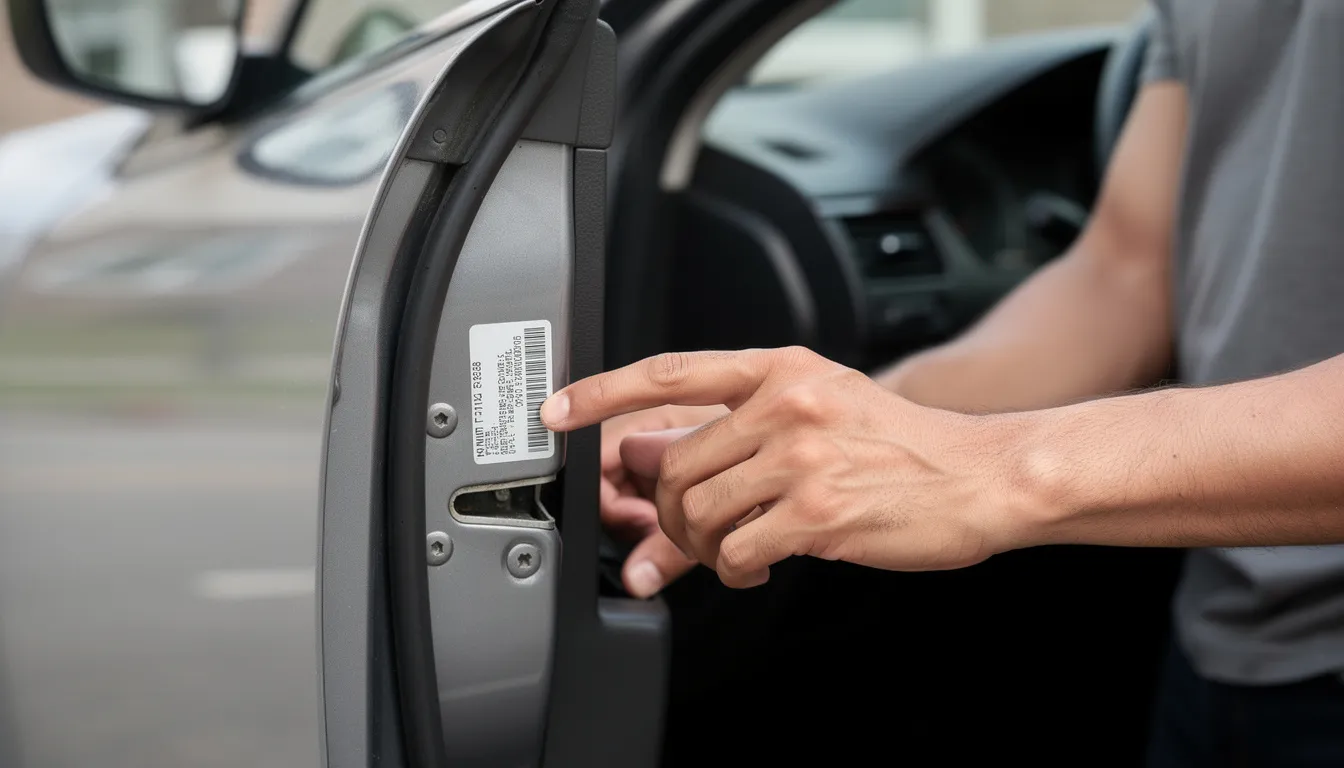
Consider this example. You find a 2019 Mazda3 for sale privately in Sydney. The seller assures you the car is fully paid off and there is no finance owing. Before you hand over $18,000, you run a PPSR check using the VIN from the compliance plate. The search takes minutes and costs around $2. If the result shows no active security interests, you have independent verification that the seller’s claim is accurate. If it shows an active interest with a bank, you know there is still money owing—and that car could be repossessed from you if the seller defaults.
The PPSR definition is limited to finance and security interests. It does not tell you about the car’s mechanical condition, accident history, or odometer accuracy. Those require separate checks.
For everyday vehicle transactions, PPSR meaning differs slightly depending on your role:
-
Buyers use PPSR to verify a vehicle is clear before purchase
-
Sellers use it to prove their car has no finance attached
-
Lenders use it to register and protect their legal claim over collateral
-
PPSR can also be used to check for other security interests, not just those related to car loans
What PPSR Is – and What It Is Not
Understanding what PPSR covers—and what it does not—helps you use it correctly.
PPSR is:
-
A national system that applies across all Australian states and territories
-
A legal record of security interests that courts recognise and enforce
-
Searchable by VIN, chassis number, or grantor details
-
Updated by lenders when loans are created, modified, or discharged
PPSR is not:
-
A mechanical inspection or condition report
-
A full accident history database
-
An odometer verification system
-
A registration or CTP insurance check
-
A stolen vehicle database
-
A write-off register
Common checks that are separate from PPSR include state registration (rego) checks, NEVDIS write-off records, stolen vehicle searches, and service history reports. Each serves a different purpose.
The PPSR check is the minimum legal due diligence to avoid buying a car that can be repossessed by someone else’s lender. It is not optional—it is essential.
The History of PPSR in Australia
PPSR began on 30 January 2012 under a major national law reform that transformed how Australians handle security interests in personal property.
Before PPSR existed, Australia operated with many state based registers. New South Wales had REVS (Register of Encumbered Vehicles). Victoria had the VSR. Queensland had its own system. There were also separate registers for company assets, bills of sale, and other commercial transactions.
This fragmented approach created serious problems. Rules varied between states. Checking a vehicle’s finance status across borders was difficult and sometimes impossible. Fraud was easier because a car financed in one state could be sold to an unsuspecting buyer in another state without the finance being discovered.
Here is a realistic example of how the old system failed. A car was financed and registered with a Queensland lender. The borrower moved to New South Wales and sold the vehicle privately. The NSW buyer had no easy way to discover the QLD security interest. Months later, when the original borrower defaulted, the lender repossessed the car from the innocent buyer. The buyer lost both the car and their money.
The Personal Property Securities Act 2009 (Cth) changed everything. This federal law created a single PPSR Australian system that commenced in January 2012. All existing security interests from state and territory registers were migrated into the new national register.
Serial-numbered interests—including motor vehicles—transferred across from the old systems. Some early migrated interests expired in January 2019 after their transition period ended. Since then, all new vehicle finance arrangements have been registered directly on PPSR from the start.
PPSR usage has grown substantially since 2012. Millions of security interests are now registered. Major banks, credit unions, and finance companies register their vehicle loans as standard practice. Consumers have increasingly adopted PPSR vehicle checks as part of their buying process, especially for private sales.
Recent trends from 2020 to 2026 include greater integration with online car history reports. Services now bundle PPSR data with NEVDIS write-off and stolen vehicle information in a single report. Mobile-friendly searches make checking easier. Consumer education about finance risks has improved, with more buyers understanding why PPSR matters.
PPSR is now the single national source of truth for security interests over vehicles in Australia. The days of fragmented state registers and cross-border fraud are behind us.
How PPSR Works: The Complete System Explained
Understanding how PPSR works helps you see why checking it before buying a vehicle is so important.
The system follows the lifecycle of a vehicle loan. Here is the process step by step.
Step 1: A lender registers a security interest
When someone finances a car, the lender (bank, finance company, or credit union) lodges a registration on the PPSR. They enter details including the vehicle’s VIN, the grantor’s name (the person borrowing money), the collateral class (motor vehicle), the start date, and an end date for the registration.
The lender usually does not disclose the loan amount on the register. Before lending money, financial institutions use the PPSR to assess risk and ensure their interests are protected by registering a security interest.
You will see that an interest exists, but not how much is owed.
Step 2: The loan remains active
While the borrower makes payments, the security interest stays registered. The borrower drives the vehicle normally, but the lender’s claim remains visible on the personal property securities register.
If anyone searches the VIN during this period, they will see an active security interest with the lender’s name.
Step 3: The loan is paid off
When the borrower makes the final payment, the lender lodges a discharge with PPSR. The security interest changes from “active” to “discharged” or “released.” Historical records remain visible, but the interest is no longer enforceable.
Step 4: The vehicle can be sold with clear title
With the security interest discharged, the vehicle is free from any lender claims. A PPSR search will show the historical interest as discharged, confirming the car is safe to purchase.
What happens if the borrower defaults?
If the borrower stops making payments, the lender can rely on their PPSR registration to repossess the vehicle. Importantly, this applies even if the vehicle has been sold to someone else.
If you buy a car without checking PPSR and the original borrower later defaults, the lender can legally take the car from you. Your only recourse is to try recovering your money from the seller—often unsuccessfully.
Key PPSR terminology:
|
Term |
Meaning |
|---|---|
|
Grantor |
The person or business that owes money (usually the borrower) |
|
Secured party |
The lender or creditor with the registered claim |
|
Security interest |
The legal claim registered on PPSR |
|
Collateral |
The property securing the debt (e.g., the vehicle) |
|
Registration |
The act of recording an interest on PPSR |
|
Discharge |
Removal of an active interest after loan repayment |
|
Expiry |
When a registration period ends without renewal |
How a PPSR vehicle check works:
You visit the official PPSR website or a third-party provider, enter the vehicle’s VIN (17 characters from the compliance plate), and pay the search fee (around $2 officially, or $15-25 for bundled reports). Within seconds, you receive a PPSR certificate in PDF format showing whether any security interests exist.
Practical example:
You are about to buy a used 2017 Toyota Camry from a private seller for $15,000. Before handing over cash, you run a PPSR car check on your phone. The certificate shows no active security interests. You proceed with confidence, knowing no lender can repossess the vehicle due to someone else’s debt.
Understanding how PPSR works is essential to avoiding finance-related loss when buying second-hand vehicles. A few minutes of checking can save you thousands.

Types of PPSR Searches Relevant to Vehicles
PPSR Australia supports different search types, but vehicle buyers typically need only one: the VIN or chassis number search.
Other search types include grantor searches (by individual or organisation name) and serial-numbered goods searches for items like boats and aircraft. Businesses might use these for due diligence on company assets or equipment.
For car, ute, motorbike, and caravan buyers, the VIN search is your priority. It directly targets the specific vehicle you are considering and returns results for that exact asset.
Some third-party services—including Revscheckreport—bundle PPSR search data with NEVDIS write-off and stolen vehicle information. This provides a more complete risk picture in a single report rather than requiring multiple separate checks.
Always keep a copy of the PPSR search certificateobtained on the day of purchase. Store it with your vehicle documents. This record provides legal protection if any disputes arise later about what you knew at the time of buying.
What Information Does PPSR Reveal?
A PPSR certificate answers a specific question: “Is there an active security interest over this vehicle?”
The core information shown for a PPSR vehicle check includes:
-
VIN (Vehicle Identification Number)
-
Make and model
-
Manufacture or compliance year
-
Whether any security interest is recorded
For each security interest, the certificate displays:
-
Status (active, discharged, or expired)
-
Secured party name (e.g., Westpac, Toyota Finance, ANZ)
-
Registration number
-
Registration date
-
Collateral description
PPSR may show multiple registrations if the vehicle has had several loans or refinances over its life. Each appears separately with its own status.
The register does not usually display the dollar amount of the loan or the exact repayment terms. You will know that finance exists, but not how much is owing. That requires direct contact with the lender or seller.
Example scenarios:
Clear vehicle: A 2016 Toyota Corolla search returns “No security interests recorded.” This vehicle has no finance attached and is safe to purchase from that perspective.
Active finance: A 2020 Ford Ranger search shows an active security interest with Commonwealth Bank, registered in March 2020. Money is still owing. Buying this vehicle without the loan being paid out first exposes you to repossession risk.
Discharged finance: A 2014 Hyundai i30 search shows a security interest that was discharged in 2019. The loan was paid off. The historical record remains visible, but no active claim exists. This vehicle is clear.
PPSR certificates are timestamped and include a unique search number. This makes them admissible as evidence if disputes arise later about whether you conducted proper due diligence.
Remember that PPSR results are point-in-time. A new finance interest could theoretically be registered after your search. For maximum protection, run your PPSR check as close as possible to the time of payment—ideally the same day.
The information answers your key buyer question: “Will anyone else have a legal claim over this vehicle after I buy it?”
PPSR Data Sources and Accuracy
PPSR data is provided and updated by secured parties—banks, finance companies, and businesses—when they register or discharge interests. The register itself does not create the information; it records what lenders lodge.
Because PPSR is a legal register, lenders are strongly motivated to keep registrations accurate and current. An incorrect or missing registration can mean losing their legal priority or enforcement rights.
PPSR does not verify the mechanical condition of a car. It only reports what lenders and secured parties have lodged regarding their financial claims.
Before searching, double-check the VIN from the vehicle’s compliance plate and compare it to the registration papers. Searching the wrong VIN gives you results for a different vehicle entirely, leaving you unprotected.
PPSR is considered authoritative for finance status. Courts rely on it. Lenders depend on it. But it must be combined with other checks—mechanical inspections, write-off searches, and rego verification—for complete due diligence.
What PPSR Does NOT Reveal
Understanding PPSR’s limits is as important as knowing what it shows.
PPSR does not provide the following information:
-
Accident history or crash records
-
Service and maintenance history
-
Odometer readings or tampering evidence
-
Detailed write-off reasons (repairable vs statutory)
-
Current registration status
-
CTP insurance status
-
Mechanical condition or roadworthiness
-
Safety recall information
-
Fair market value
Stolen status and written-off status come from NEVDIS and state or territory records, not from the PPSR itself. Some combined vehicle history reports display both together, but they are drawing from different databases.
PPSR does not tell you whether a car has been flood-damaged, poorly repaired, rebirthed from wrecked parts, or tampered with. A vehicle could have a clear PPSR result and still be unsafe or unreliable.
The register does not assess what a vehicle is worth or predict its future reliability. It is purely about security interests and financial claims.
PPSR will not reveal personal information about the current owner beyond what is necessary to identify the secured party. Privacy rules limit what appears on certificates.
Treat PPSR as one critical piece of a broader due diligence toolkit. Combine it with a mechanical inspection, a NEVDIS-inclusive history report, and a state rego check for comprehensive protection.
PPSR vs Other Vehicle Checks
Australian buyers often confuse PPSR with other checks like REVS, rego checks, and full car history reports. Each serves a different purpose.
REVS vs PPSR: “REVS check” is an older term from before 2012 when states had separate registers. Modern REVS-style checks now draw on PPSR and NEVDIS data. If someone offers a “REVS check,” they are usually providing PPSR results under the old branding.
PPSR vs state registration check: A PPSR vehicle check focuses on finance and security interests. A state rego check confirms registration status, number plates, and sometimes flags for written-off or stolen vehicles. They answer different questions.
PPSR vs comprehensive car history reports: Services like Revscheckreport bundle PPSR data with write-off status, stolen vehicle checks, odometer reading records, and other NEVDIS information. You get multiple data points in one report rather than running separate searches.
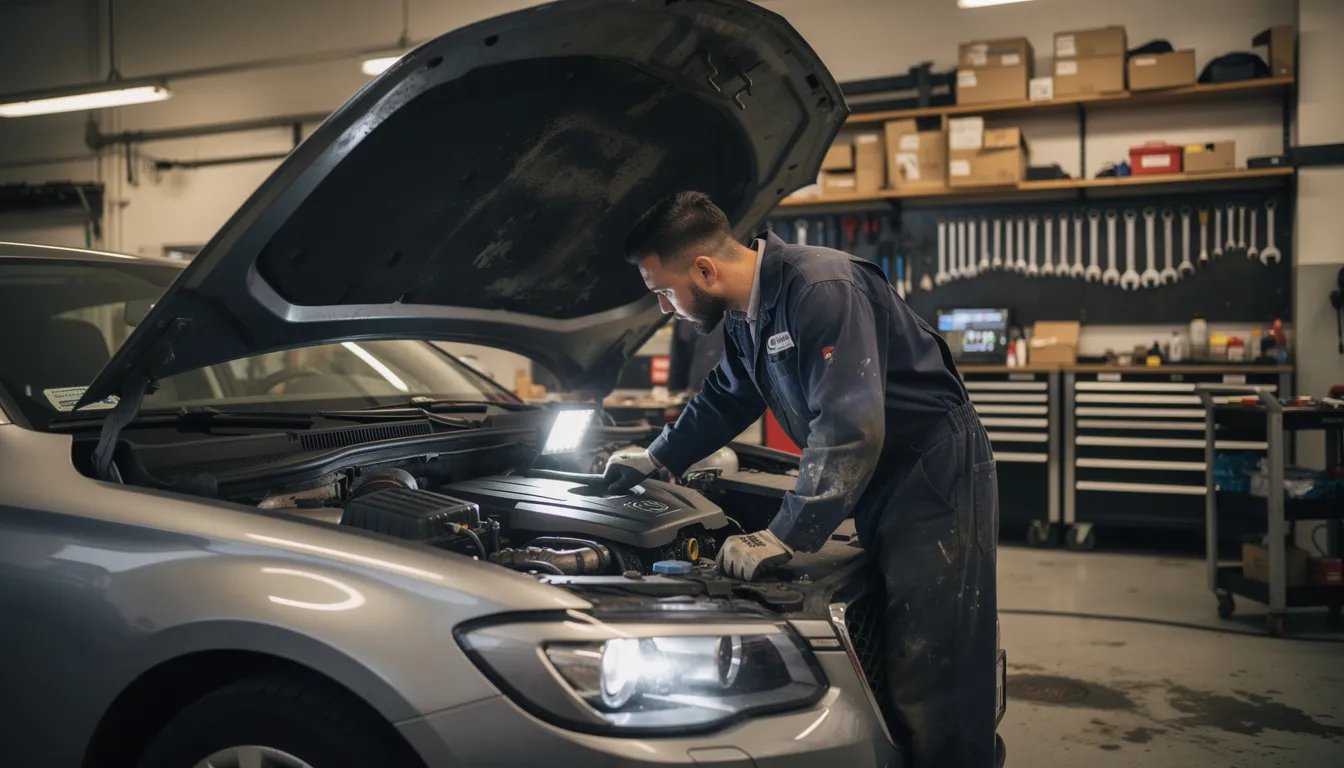
PPSR vs mechanical inspection: An independent mechanic assesses physical condition—engine, transmission, brakes, suspension, rust. This has nothing to do with finance status. You need both types of checks.
How the checks work together:
|
Check Type |
What It Reveals |
What It Misses |
|---|---|---|
|
PPSR |
Finance interests, lender claims |
Accidents, stolen status, condition |
|
State rego check |
Registration currency, plates |
Finance status, detailed history |
|
NEVDIS/history report |
Write-offs, stolen, odometer |
Finance details, mechanical condition |
|
Mechanical inspection |
Physical condition, safety |
Finance, legal, or title issues |
A smart buyer uses all three: PPSR certificate, state rego or bundled history check, and a pre-purchase inspection.
PPSR covers the legal finance side. Other checks cover safety, condition, and compliance.
When PPSR Alone Is Not Enough
There are scenarios where a clear PPSR result does not fully protect you.
A vehicle with severe unreported accident damage may have no finance attached but still be unsafe to drive. Odometer tampering can disguise high-kilometre wear without affecting PPSR status. Unroadworthy modifications—stripped safety features, illegal exhausts, structural changes—won’t appear on a finance register.
For late-model or high-value vehicles, pair your PPSR check with at least a basic mechanical inspection and a broader vehicle history check. The more expensive the car, the more thorough your due diligence should be.
Lenders focus on PPSR to protect their money. As a buyer, you need to go further to protect your safety and long-term ownership costs.
PPSR prevents finance surprises. Other checks prevent mechanical and legal compliance surprises.
Who Can Access PPSR?
PPSR Australia is a public register. Anyone can search it for a small fee—not just banks, dealers, or lawyers.
Searches can be performed by:
-
Individual car buyers
-
Private sellers wanting to prove their vehicle is clear
-
Car dealers and dealerships
-
Finance brokers and mortgage providers
-
Law firms conducting due diligence
-
Businesses buying or selling equipment
A typical private buyer uses PPSR by visiting ppsr.gov.au or a third-party provider, entering the VIN, paying the fee, and receiving an instant certificate.
Businesses might run regular PPSR searches when trading in vehicles, financing fleets, accepting vehicles as loan collateral, or conducting due diligence on company acquisitions.
While anyone can search, access is limited to the information displayed on the certificate. Sensitive personal data about vehicle owners is not exposed. You will see lender names and registration details, but not private borrower information.
Revscheckreport simplifies PPSR access by integrating official data into an easy-to-read car history report that includes extra checks like write-off and stolen status.
Always perform your own PPSR check rather than relying on a seller’s screenshot or verbal claim. A search costs almost nothing and takes minutes. There is no good reason to trust someone else’s version when you can verify directly.
Access Costs and Practicalities
The official PPSR search fee is around $2 per motor vehicle VIN search. This is set under federal regulations and applies to searches made directly through ppsr.gov.au.
Third-party providers may charge higher fees—typically $15 to $25—because they bundle PPSR data with NEVDIS write-off, stolen vehicle, and odometer information. You pay more but receive a more comprehensive report.
PPSR is an online-only system, available 24/7. Certificates are delivered instantly as downloadable PDF documents.
Store your PPSR search certificate digitally. Where possible, print a hard copy to keep with your vehicle purchase records. This documentation protects you if disputes arise later.
Large lenders and dealers use bulk access and automated interfaces (APIs) for high-volume searching. Everyday buyers do not need this—a single online search is sufficient for purchasing a personal vehicle.
Security Interests Explained
A security interest is a legal right over personal property that secures payment or performance of an obligation. In simpler terms, it is the lender’s claim over something you used as collateral for a loan.
Vehicle-specific examples include:
-
Car loans where the vehicle secures the borrowed amount
-
Chattel mortgages for business vehicle purchases
-
Novated leases that include a security interest
-
Business loans secured over a fleet of utes or trucks
-
Equipment finance where machinery serves as collateral
When a lender has a registered security interest, they gain priority rights over the vehicle if the borrower fails to pay. This priority allows them to repossess and sell the asset to recover their funds.
Critically, the security interest “follows” the vehicle. If the car is sold while the interest is active, the new owner takes it subject to that claim. This is why PPSR registration protects lenders—and why checking PPSR protects buyers.
A secured creditor is someone with a registered PPSR security interest. An unsecured creditor has no registered claim over any specific asset. In a dispute or insolvency, secured creditors get paid first from the proceeds of selling the secured property.
Priority generally works on a first-in-time basis. The first lender to register on PPSR usually has first claim. Later registrations rank behind earlier ones.
For everyday car buyers, the key question is simple: is there any active security interest at all? If yes, you face repossession risk until that interest is discharged.
PPSR exists mainly to make these security interests transparent and enforceable. It protects both lenders (who can prove their claim) and buyers (who can verify what claims exist).
Common Types of Vehicle-Related Security Interests
Typical finance products that appear as security interests on PPSR include:
-
Consumer car loans (personal vehicle finance)
-
Secured personal loans using a vehicle as collateral
-
Commercial hire purchase arrangements
-
Lease arrangements treated as security under the law
-
Business credit lines secured over company vehicles
Some commercial arrangements—like retention of title clauses or consignment stock involving vehicles—can also create registrable PPSR interests.
If a loan is unsecured—for example, a credit card used to buy a car without specific security taken over the vehicle—it will not appear as a PPSR security interest. The lender has no registered claim over that particular asset.
Assume that any mention of “secured” finance in loan documents will usually mean a PPSR registration over the car. Dealers and lenders typically register their interests within days of the loan being approved.
Ask sellers directly whether any loan or lease is secured over the vehicle. Then verify their answer with your own PPSR search. Trust but verify.
Why PPSR Matters for Vehicle Buyers
The main risk PPSR protects buyers from is repossession of a vehicle due to someone else’s unpaid debt.
Consider this scenario. You find a 2018 Toyota Hilux for sale privately in Brisbane. The seller wants $35,000. You pay, take the keys, and drive home happy. Six months later, a finance company contacts you. The previous owner had $20,000 outstanding on the vehicle and stopped making payments. The lender repossesses the Hilux from your driveway.
Without a PPSR vehicle check, you have no right to keep the car. Your options for recovering money from the seller are limited—and often unsuccessful.
A $2 PPSR search (or a modestly-priced bundled report) provides peace of mind worth far more than its cost. The entire process takes minutes.
PPSR supports good decision-making. A car with active finance can still be safely purchased if the seller agrees to pay out the loan on or before settlement. You can arrange for funds to go directly to the lender. Once paid, the seller provides a clear PPSR certificate confirming discharge. Then you proceed.
Many dealers will not accept trade-ins without checking PPSR first. Reputable dealers provide finance-clear vehicles or settle any outstanding finance at the point of sale. This is standard practice in the industry.
PPSR certificates serve as useful proof in disputes. If you later face a repossession attempt, you can demonstrate that you checked before purchase and the vehicle showed as clear at that time. This matters in court.
Every used car purchase in Australia—whether private sale or dealer—should include a PPSR check as a non-negotiable step.
Other Benefits of Using PPSR When Buying
PPSR can reveal unexpected information. Multiple past security interests might indicate numerous finance arrangements over the same vehicle—which could suggest financial stress by previous owners or unusual transaction history.
PPSR dates and secured party details can support negotiating with the seller. You might confirm they have just refinanced, are about to pay out a loan, or have recently discharged finance.
For business buyers, using PPSR reduces risk when adding vehicles to fleets or buying used vans and utes from other businesses. Commercial transactions often involve higher values and greater complexity.
PPSR encourages honest disclosure by sellers. Knowing that buyers can independently verify finance status makes it harder for dishonest sellers to hide debts.
Using PPSR connects to broader financial safety and consumer protection in the used-car market. It is a small investment in avoiding a potentially devastating loss.
The Legal Basis of PPSR (Personal Property Securities Act 2009)
The key legislation behind PPSR is the Personal Property Securities Act 2009 (Cth), often shortened to “PPSA.”
The PPSA is a federal law that standardises how security interests in personal property are created, registered, and enforced across Australia. Before this law, different states had different rules and registers. The PPSA unified everything into one coherent system.
The PPSA came fully into effect in January 2012, alongside the launch of the PPSR as the official online register. This was the largest reform to Australian property law in decades.
Under the PPSA, registration on the PPSR usually determines priority. A properly registered security interest will generally beat an unregistered claim. This is why lenders always register—and why buyers always check.
Courts across Australia routinely rely on PPSR registrations and PPSR certificates in insolvency, bankruptcy, and repossession disputes. The register has full legal standing.
Buyers who conduct PPSR checks and keep certificates are operating within the framework the PPSA intended for safe commerce. The law was designed to create transparency and protect everyone involved in personal property transactions.
The PPSR Australian system is not just a database. It is part of a robust legal structure designed to protect both lenders and honest buyers.
Key Legal Concepts for Everyday Buyers
A few PPSA concepts translated into everyday language:
Attachment is when a security interest starts—usually when you sign the loan agreement and receive the money or goods.
Perfection is usually achieved by registration on PPSR. A perfected interest is legally enforceable against third parties.
Priority determines which creditor gets paid first if there are competing claims. Generally, the first to register has first priority.
A perfected, registered interest is far stronger than an unregistered or merely contractual claim. In debtor insolvency, registered creditors recover their money before unsecured creditors.
Buying a vehicle “in the ordinary course of business” from a licensed dealer can have different legal consequences than buying privately. However, PPSR checks remain wise in both situations.
This article provides general information only. Buyers with complex situations—disputed claims, insolvency, or business transactions—should seek specific legal advice.
In simple terms: PPSR exists because the PPSA law says security interests must be visible and ordered by registration.
Common PPSR Misconceptions
Misunderstandings about PPSR meaning and coverage lead to costly mistakes every year. Let’s correct the most common ones.
Misconception: “I don’t need PPSR if the seller says the car is paid off.” Reality: Verbal assurances mean nothing. Sellers can lie, or genuinely believe the car is clear when it isn’t. Only an official register search provides reliable verification.
Misconception: “PPSR is only for businesses or finance professionals.” Reality: Anyone can search PPSR. It costs around $2 and takes minutes. It is designed for everyday buyers, not just industry insiders.
Misconception: “A clear PPSR means the car has never had an accident or mechanical problems.” Reality: PPSR only covers finance. It tells you nothing about crash history, condition, or safety.
Misconception: “PPSR shows how much money is owing on the loan.” Reality: PPSR usually shows that an interest exists, but not the loan balance. Lenders rarely disclose the exact amount owed on the register.
Misconception: “PPSR is only relevant for new or nearly-new cars.” Reality: Any vehicle with a current or historical finance arrangement will appear. Older cars can have active interests if they were recently financed.
Misconception: “I only need PPSR for private sales, not dealer purchases.” Reality: Dealers can also sell vehicles with undischarged finance. Mistakes happen. Always check regardless of who is selling.
Summary of truths:
-
Always run your own PPSR check
-
PPSR is accessible and affordable for everyone
-
PPSR only covers finance, not condition or history
-
Loan amounts are not shown
-
Check for all vehicles, all sellers, all price ranges
Real-World Misunderstanding Examples
Example 1: A buyer assumes that a current registration label means there is no finance. They skip the PPSR check, buy the car, and face repossession three months later when the original loan defaults. A two-dollar PPSR search would have revealed the active interest.
Example 2: A buyer relies on an old PPSR certificate dated two months before purchase. In the intervening period, the seller refinanced and a new lender registered a fresh interest. The buyer’s outdated certificate provides no protection.
Both situations are dangerous—and preventable. Run a fresh PPSR check on the day of purchase or as close to it as possible.
Treat PPSR as a standard part of your used vehicle purchase checklist, not an optional extra.
PPSR and Vehicle Financing
Almost every major vehicle finance product in Australia relies on PPSR registration to secure the lender’s interest.
When you finance a car through a bank, credit union, or dealer finance arm, the lender registers their security interest on PPSR as part of the standard process. You may never see this backend work, but it happens within days of loan approval.
PPSR vehicle finance arrangements give lenders confidence to offer competitive interest rates. They know that if payments stop, they can rely on their registration to repossess the vehicle. This security translates to lower risk and, theoretically, better loan terms for borrowers.
When refinancing or switching lenders, the old PPSR registration is discharged and a new security interest is registered by the new lender. The vehicle always has a current record reflecting who holds the claim.
Buyers looking at vehicles under finance can arrange for the seller’s lender to be paid out at settlement. Funds go directly to the lender, the loan is cleared, and the PPSR interest is discharged before or at the time of transfer. This is a normal and safe transaction structure.
For business buyers, PPSR registrations can cover multiple vehicles or entire fleets. Missing registrations can result in substantial losses if a customer or debtor becomes insolvent. Lenders who fail to register properly can lose priority—or even all rights—to the vehicles.
Understanding PPSR helps both borrowers and buyers talk more confidently with finance providers about how their vehicles are secured.
Practical Tips for Buyers Dealing With Financed Vehicles
If you are buying a vehicle that still has finance attached, follow these steps:
-
Ask directly whether any finance is owing and which bank or finance company is involved
-
Obtain a current PPSR certificate before paying any deposit
-
Run a fresh PPSR search on the day you pay the final balance
-
Use secure payment methods where funds go directly to the lender to clear the loan, with any balance then paid to the seller
-
Confirm discharge by checking that the PPSR registration becomes discharged or no longer appears as active after settlement
A clean PPSR result post-settlement is the key sign that you now own the vehicle free of any lender’s claim.
Frequently Asked Questions (General PPSR)
This quick-reference section answers common questions about PPSR checks and how they work for car buyers.
What is a PPSR check? A PPSR check is a search of the Personal Property Securities Register to see if any security interests (finance claims) are registered against a specific vehicle.
How much does a PPSR vehicle check cost? The official fee is around $2 per VIN search. Third-party bundled reports cost $15 to $25 but include additional data like write-off and stolen status.
How long does a PPSR search take? Seconds. You enter the VIN, pay the fee, and receive a certificate almost instantly.
Is PPSR the same as REVS? REVS was the old NSW-based register. PPSR replaced state-based registers in 2012. Modern “REVS checks” usually mean PPSR searches.
Does PPSR show if a car is stolen? No. Stolen status comes from NEVDIS and police databases, not PPSR. Some bundled reports include both.
Does PPSR show if a car is a write-off? No. Write-off status comes from state and territory records via NEVDIS, not PPSR.
Do I need a PPSR check if I am buying from a dealer? Yes. Dealers can sell vehicles with undischarged finance due to errors or deliberate misconduct. Check regardless.
How close to purchase should I run my PPSR check? As close as possible—ideally the same day you pay. PPSR results are point-in-time snapshots.
What happens if I buy a car with finance still owing? The lender can repossess the vehicle. Your options to recover money from the seller are limited. PPSR would have warned you.
How long is a PPSR certificate valid? It is a point-in-time snapshot, not an ongoing guarantee. A certificate from last month does not protect you from interests registered since.
Can I do a PPSR check with just the number plate? VIN-based searches are more reliable. Some services convert plates to VINs via official data, but always verify the VIN matches the physical vehicle.
What is PPSR? — The Complete FAQs Guide
Quick PPSR Checklist for Buyers
Follow this simple process for all used vehicle purchases:
-
Obtain the VIN from the compliance plate and registration papers
-
Run a PPSR check using the VIN
-
Download and save the certificate
-
Review for any active security interests
-
If finance exists, clarify with the seller how it will be discharged
-
Re-check on settlement day if there is any time gap
-
Store all documents—PPSR certificate, sale agreement, receipts—together
This checklist applies to cars, utes, vans, motorbikes, caravans, trailers, and some boats.
The process takes five to ten minutes. It can save you thousands of dollars and months of stress.
Final Call to Action – Get a Comprehensive PPSR Vehicle Report
PPSR reveals hidden finance and protects you from the risk of losing a vehicle to someone else’s unpaid debt. It is your first line of defence before buying any used car.
Revscheckreport provides an instant PPSR car check bundled with write-off, stolen vehicle, and odometer information. You get a more complete picture in one easy-to-read report.
All you need is the vehicle’s VIN and a few minutes. The report arrives instantly and covers the key data points that matter most.
Make PPSR the first step before transferring any money for a used vehicle—whether you are buying privately or through a dealer.
Check before you buy.