
PPSR Check for Car Buyers: Your Complete Protection Guide
Last Updated: December 28, 2025
Next Review: March 2026
Quick Overview
As a car buyer, a PPSR check is your first line of defence against purchasing a vehicle with outstanding finance. Running a search of the Personal Property Securities Register as close as possible to the date you intend to purchase the vehicle—ideally on the day of or the day before—provides the most up-to-date information and helps ensure you are protected from last-minute changes. This guide explains why PPSR matters for Australian buyers, the best timing in your purchase timeline, how to read the results, and what to do if problems appear. For a few dollars, you can avoid losing tens of thousands.
Don’t Buy a Lemon in Sydney — Check Car Finance Before You Pay Thousands
That “great deal” could hide finance debt. Many lemon cars in NSW are still under finance but sold off quickly in private listings. Without an official PPSR search, you risk losing the car and your money. Spend just 2 minutes verifying — protect yourself from a costly lemon.
- Why Car Buyers Need a PPSR Check
- When Should You Run a PPSR Check? (Timing in the Buying Process)
- PPSR Check in Private Sales vs Dealer Purchases
- Step-by-Step: How to Use PPSR as a Buyer
- How to Use PPSR Results to Negotiate or Walk Away
- What Buyers Should Do If PPSR Shows Active Finance
- How PPSR Fits Into Complete Buyer Due Diligence
- Common Mistakes Buyers Make with PPSR Checks
- Real Buyer Scenarios: How PPSR Protected (Or Didn’t Protect) Buyers
- PPSR and Buyer Protection Laws in Australia
- Frequently Asked Questions (Buyer Focused)
- Final Call to Action for Car Buyers
- Introduction to Personal Property Securities
Why Car Buyers Need a PPSR Check
If you’re looking to buy a car in Australia in 2026, whether through Facebook Marketplace, Gumtree, Carsales or a local dealership, a PPSR check should be your non-negotiable first step. The Personal Property Securities Register exists specifically to protect consumers like you from inheriting someone else’s debt when you purchase a second hand car.
The Repossession Risk
Here’s what most buyers don’t realise until it’s too late: under Australian law, a registered security interest survives the sale of a vehicle. This means if you purchase a used car with active finance recorded on the PPSR, the lender can legally repossess that vehicle from you—even though you paid the seller in good faith, in full, with nothing but honest intentions.
The previous owner’s unpaid loan becomes your problem. Not theirs. Yours.
Why Buyers Are Vulnerable
Several situations put you at risk when buying a second hand vehicle:
Sellers may be unknowingly financed. Some sellers genuinely don’t understand their loan arrangements. The car might be jointly owned with a co-borrower who took out finance, or a lease arrangement the seller didn’t fully comprehend.
Sellers may be dishonest. Unfortunately, some sellers deliberately hide outstanding loan balances. They hope to pocket your money before the finance company discovers the default, then disappear before you realise what’s happened.
Finance can be transferred between lenders. Loans are regularly sold between financial institutions. The original owner may not even know their debt now sits with a different lender, and the PPSR reflects current registrations that the seller may be unaware of.
Finance may trace back multiple owners. That vehicle might have changed hands three or four times, with finance owed by someone several sales ago. Your current seller may have no idea the encumbrance exists.
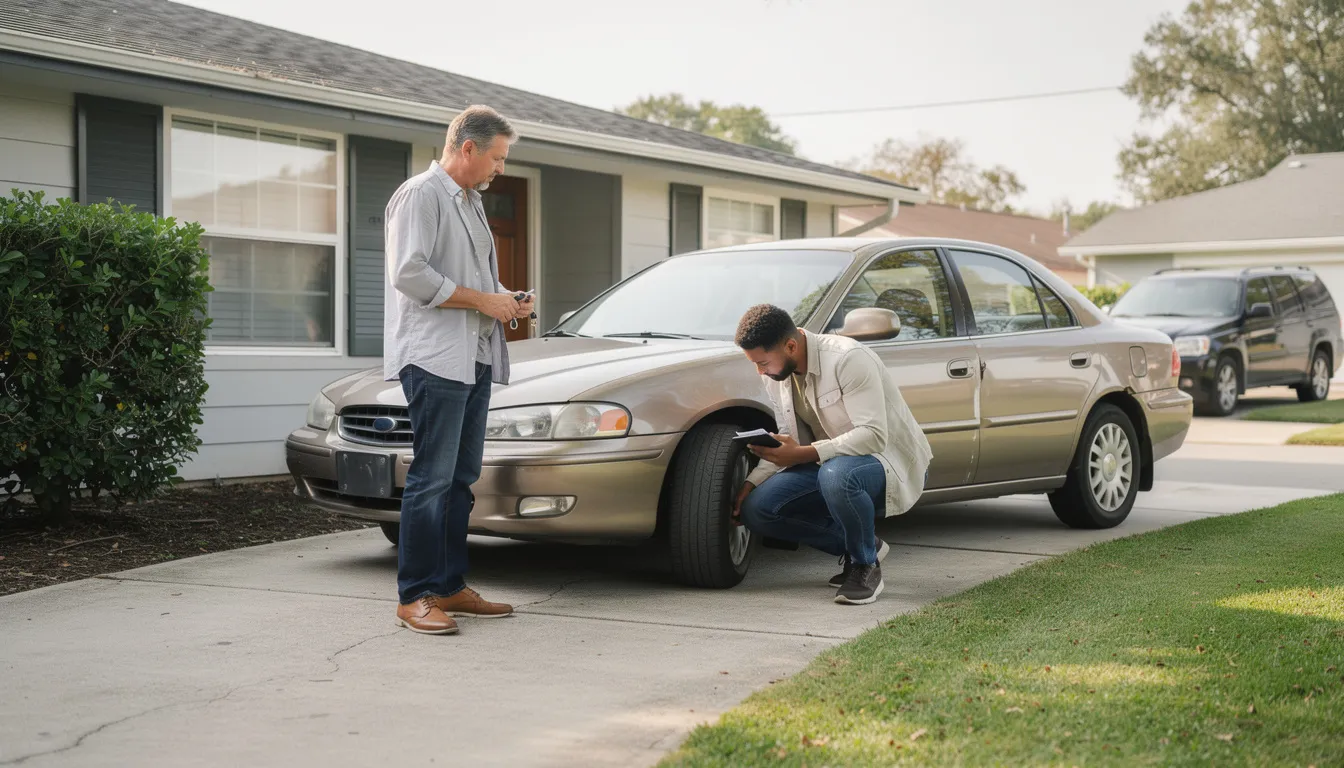
A Real Scenario: How $28,000 Becomes $56,000 in Losses
Consider this situation. A buyer in Brisbane finds a 2021 SUV advertised for $28,000. The private seller seems trustworthy, the car looks excellent, and the seller assures them it’s “fully paid off, no finance.” The buyer pays $28,000 in cash.
Two weeks later, the phone rings. A bank representative explains the vehicle has $18,500 remaining on finance. The original owner defaulted on their loan. The bank is repossessing the car from the new buyer.
The buyer’s total loss:
-
Vehicle value: $28,000
-
Money paid to seller: $28,000
-
Combined loss: $56,000
Could this have been prevented? Absolutely. A $2 PPSR search would have revealed the active security interest before any money changed hands.
Why Seller Assurances Mean Nothing
Verbal promises like “it’s all paid off” or “there’s no finance on it” carry no legal weight whatsoever. A handwritten receipt saying “sold free of encumbrance” doesn’t override a registered security interest on the PPSR either.
Sellers may be honest but misinformed. They may have misunderstood their lease residual. They may not control the vehicle fully. The PPSR reveals the legal record—the official truth about who has registered claims over that personal property.
What PPSR Actually Shows You
When you run a PPSR search on a motor vehicle, your certificate reveals:
-
All registered security interests against that vehicle identification number
-
The name of each lender or creditor with a claim
-
Whether each interest is active (current) or discharged (cleared)
-
The registration and perfection dates
-
Stolen or written off status sourced from NEVDIS data
This certificate becomes your legal proof of what was recorded at the exact time you searched. It’s an official document you can rely on.
The Cost-Benefit Reality
A PPSR check through the government website costs around $2 per search. Third-party services bundling additional checks typically charge $15-25.
Compare that to what you stand to lose:
-
Average used car price: $25,000-$40,000
-
Potential repossession loss: $15,000-$50,000+
-
Legal fees attempting recovery: $5,000-$10,000
The return on protection is somewhere between 600:1 and 25,000:1. You’re essentially buying insurance for the cost of a coffee.
When Should You Run a PPSR Check? (Timing in the Buying Process)
Timing matters almost as much as running the PPSR check itself. The register updates daily—new finance can be registered, existing interests can be discharged, and the status you saw last week may not reflect today’s reality.
Phase 1: Early Screening (Before Deposit)
Run your first PPSR check as soon as you’re seriously considering a specific vehicle. This happens before you’ve arranged inspections, before you’ve emotionally committed, and certainly before you’ve handed over any deposit.
At this stage, you’re spending $2-25 and five minutes to eliminate obviously problematic vehicles. If the search reveals active finance and the seller refuses to discuss clearing it, you walk away having invested almost nothing.
This early screening prevents roughly 70-80% of risky deals from proceeding. You haven’t fallen in love with the car yet. You can move on without heartache.
Phase 2: Pre-Offer (Before Making a Formal Offer)
On the day you plan to make a formal offer, run another PPSR check—or confirm your existing certificate is very recent (within the past few days). New finance can be registered between your first viewing and your offer.
This check demonstrates you’ve done your due diligence. It shows the seller you’re a serious buyer who understands their rights. And it informs your offer price if any issues have appeared.
Phase 3: Pre-Contract (Before Signing Any Agreement)
Run a fresh PPSR check just before signing any purchase order or contract, whether with a dealer or private seller. This is your opportunity to link the PPSR results to written terms in the agreement.
Ask for contract wording confirming the car will be delivered debt free of security interests. If the seller won’t agree to this in writing, that’s a significant red flag.

Phase 4: Final Check – Critical (Before Transferring Money)
This is the most important check of all. Run a PPSR search on the same day as settlement, as close as possible to transferring your bank funds or handing over a bank cheque.
Ideally, you’re running this check minutes before payment. Print the certificate. Confirm it shows “No security interests recorded” or that all noted interests are being discharged as part of the transaction.
This final check protects you against last-minute registrations. It gives you irrefutable evidence of the vehicle’s status at the exact moment you became the owner.
A Practical Timeline Example
Here’s how a well-protected purchase might look over one week:
|
Day |
Action |
Cost |
|---|---|---|
|
Friday |
Find vehicle, run first PPSR check |
$2 |
|
Monday |
Make offer, run pre-offer PPSR |
$2 |
|
Thursday |
Sign contract, run pre-contract PPSR |
$2 |
|
Friday 9am |
Final PPSR check |
$2 |
|
Friday 9:10am |
Confirm clear, transfer money |
- |
|
Friday 9:30am |
Receive vehicle |
- |
Total PPSR investment: $8
Total protection: Comprehensive
Recognising Pressure Tactics
Be wary if a seller pushes back against your PPSR timeline. These are red flags:
-
“Can’t we just move fast on this?”
-
“You’re being too cautious”
-
“Just trust me, it’s all clear”
-
“PPSR takes too long, let’s skip it”
-
“Someone else is interested, we need to close today”
You control the timeline. A five-minute PPSR search is far faster than spending months trying to recover from repossession. Never let urgency override protection.
PPSR Check in Private Sales vs Dealer Purchases
A PPSR check is essential whether you’re buying from a private seller or a licensed dealership. However, the risk profile and your recourse options differ significantly between these two scenarios.
Private Sales: High Risk, Limited Recourse
When you purchase through Facebook Marketplace, Gumtree, Carsales private listings, community noticeboards, or from friends and family, you’re operating without a safety net. There’s no statutory warranty covering you. No dealer oversight exists. The PPSR is often your only official protection.
The risk is high for several reasons:
The seller may become untraceable after payment. Once cash or funds transfer, a dishonest seller can simply disappear. You may have no address, no workplace, nothing to pursue.
Cooling-off rights don’t apply to most private sales. Unlike some dealer purchases, you generally can’t change your mind and return the vehicle.
False claims about finance are common. Some sellers lie deliberately. Others genuinely don’t understand their own financing arrangements.
Private Sale Checklist:
-
Run a PPSR search before paying any deposit whatsoever
-
Verify the seller’s name matches the registration papers
-
Confirm the VIN on the physical vehicle matches your PPSR search certificate
-
Combine PPSR with a mechanical inspection by an independent mechanic
-
Consider a full car history report for write-off and odometer readings data
Dealer Purchases: Moderate Risk, Better Recourse
When you buy from a licensed used car yard or franchised dealership, Australian Consumer Law provides consumer guarantees and statutory warranties. Dealers have regulatory obligations and reputations to protect.
This reduces but does not eliminate risk.
Dealers should conduct their own PPSR searches and clear any encumbrances before listing vehicles for sale. Most reputable dealers do exactly this. However, honest administrative errors occur. Rushed trade-in processes can leave active finance temporarily on the register. Subordinate interests might be overlooked.
Even when buying from a dealer, run your own PPSR check. This independently confirms the dealer’s assurances and provides evidence if any dispute arises later.
The Key Differences Summarised
In private sales, you face high risk with very limited recourse. If something goes wrong after payment, your options for recovery are minimal. The seller may be impossible to find, and without dealer protections, you’re largely on your own.
In dealer sales, you face moderate risk with meaningful recourse available. If a dealer sells you a car with undisclosed finance, you can pursue remedies through the dealer directly, through consumer affairs bodies like the ACCC, or through tribunals such as NCAT in New South Wales or VCAT in Victoria.
The Bottom Line
Regardless of whether you’re buying privately or from a dealer, you—the car buyer—should always arrange at least one independent PPSR check. Don’t rely on what the seller tells you. Don’t rely on a printout the seller provides. Search the PPSR yourself and keep your own certificate.
Step-by-Step: How to Use PPSR as a Buyer
This section provides a practical, sequential checklist you can follow from first interest through to final payment. Whether you’re buying from a private seller or a dealership, these steps apply.
Step 1: Identify the Exact Vehicle
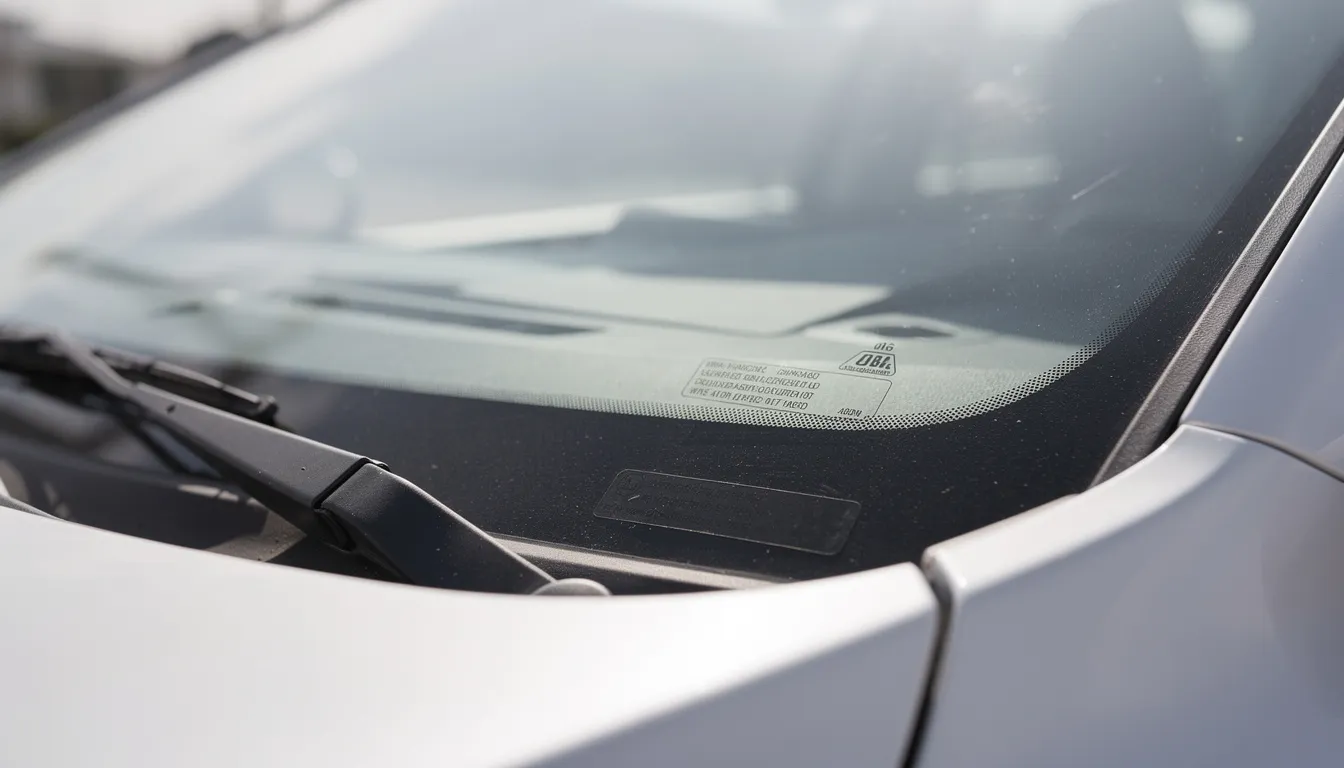
Before you can search the PPSR, you need the vehicle identification number. The VIN is a unique 17-character alphanumeric code assigned to every vehicle. You may also need the chassis number, which is another key identifier used to verify the vehicle’s history and ownership.
You can find the VIN in several locations:
-
On the compliance plate visible through the windscreen (lower driver’s side)
-
On a sticker or plate on the driver’s door jamb
-
On the engine bay compliance plate
-
On the registration papers or roadworthy certificate
-
Sometimes in the car’s service manual
Ask the seller for a copy of the road registration papers before buying the car. When viewing an online ad, ask the seller to photograph the VIN plate and send it to you. This lets you run a PPSR check before investing time in inspections.
Step 2: Verify the VIN
Before entering the VIN into any search, verify it’s correct and hasn’t been tampered with.
Compare the VIN from the physical vehicle (if you’ve seen it) against the registration papers. Check that the VIN in the ad matches the VIN on the car. Look for signs of tampering—scratched plates, replaced stickers, or numbers that don’t quite align.
You should ask a vehicle inspector to check that the car's serial number hasn't been altered.
A mismatched or altered VIN is a serious red flag suggesting the vehicle may be stolen or have an undisclosed history.
Step 3: Choose Where to Run the PPSR Check
You have two main options:
Official government website (ppsr.gov.au): Lowest cost (around $2 per motor vehicle search), provides official PPSR search certificate with security interests data.
Reputable third-party services: Higher cost ($15-25 typically), but bundles PPSR with NEVDIS data, car history checks, and additional details like odometer readings and accident history in a single report.
Both options give you up to date information about registered security interests. Choose based on whether you want basic PPSR data or a more complete car buying experience.
Step 4: Run the PPSR Search
Visit your chosen platform and select “Motor Vehicle” as the search type. Enter the 17-character VIN carefully—double-check every character before submitting.
The system will auto-populate vehicle details (make, model, year). Confirm these match the car you’re researching. If they don’t match, stop—you may have the wrong VIN.
Pay the small fee and immediately download or email yourself the PDF certificate. Don’t just view it online; save a permanent copy. You can receive a PPSR search certificate via email after completing the check.
Step 5: Read the PPSR Certificate Carefully
Open your certificate and check these key fields:
-
Search date and time: Confirms when the search was conducted
-
VIN: Verify it matches the vehicle you searched (character by character)
-
Vehicle description: Make, model, year should match the actual car
-
Security Interests section: This is the critical information
The Security Interests section will show one of several results:
-
“No security interests recorded”
-
One or more “Active” interests with lender details
-
One or more “Discharged” interests (historical, now cleared)
-
A combination of active and discharged
Step 6: Interpret the Results
No security interests recorded: The vehicle appears clear of registered finance. Proceed with your other checks (mechanical inspection, car history, rego verification).
Only discharged interests shown: These are historical loans that have been paid out. They indicate the vehicle had finance in the past but it’s now cleared. This is generally not a concern—proceed with due diligence.
Active security interest listed: Money is currently owing. Stop and speak with the seller before proceeding. Do not pay any deposit until this is resolved.
Multiple complex entries: If you see several active interests, conflicting information, or entries you don’t understand, seek clarification from the seller or consider walking away.
Step 7: Store Your Proof
Save the PPSR certificate as a PDF on your computer and phone. Email a copy to yourself. Print a hard copy.
The report generated from a PPSR check is emailed as a PDF, serving as a legal record of your search. This certificate is your legal record of the vehicle’s status at the exact time you searched. Keep it with your purchase documents permanently. If any dispute arises later, this certificate proves what the register showed when you bought the car.
Step 8: Repeat at Key Milestones
Don’t rely on a certificate that’s weeks old. The register can change daily. Run fresh PPSR checks:
-
Before making your offer
-
Before signing any contract
-
On settlement day, just before transferring money
Each search costs a few dollars. The protection is invaluable.
How to Use PPSR Results to Negotiate or Walk Away
Your PPSR results give you concrete facts you can use in negotiation—or to make a clean decision to walk away. This section explains how to leverage what you’ve learned.
When Results Are Clear
A certificate showing “No security interests recorded” strengthens your buying confidence. You can proceed knowing the vehicle doesn’t have registered finance that could lead to repossession, among other things. A clean PPSR gives you peace of mind that the vehicle is safe, legal, and genuinely yours to own.
However, a clear PPSR doesn’t mean the car is perfect. It still needs mechanical inspection, car history checks for accident damage and repairable write offs, and verification of odometer readings. PPSR confirms finance status—not overall condition.
Using Minor Issues as Leverage
Sometimes your PPSR reveals historical information that isn’t necessarily a deal-breaker but deserves discussion:
-
Old discharged finance (a loan fully repaid years ago)
-
A write-off notation that was properly repaired and re-registered
These findings give you grounds to ask questions. If the seller’s answers satisfy you, you might use these points to negotiate a modest price reduction—perhaps 5-10% off the asking price.
Strategies for Active Finance Findings
If the PPSR shows active finance, you have several options:
Request written confirmation of payout. Ask the seller to provide a current payout letter from the finance company, dated within the past week, showing exactly how much is required to clear the debt.
Arrange direct payment to the lender. In some cases, you can pay the payout amount directly to the lender, with the balance going to the seller. This ensures the finance is actually cleared. Confirm with the lender that this arrangement will discharge the security interest.
Negotiate a price reduction. If you’re willing to take on the complexity, you might reduce your offer by the outstanding amount plus a margin for your trouble and risk.
Use escrow or settlement conditions. Include contract clauses requiring the seller to clear all finance before you take possession, with verification via a fresh PPSR check.
When to Walk Away
Some situations call for leaving the deal entirely:
-
The seller becomes evasive when you mention the PPSR findings
-
The seller refuses to discuss the finance or involve the lender
-
The seller offers inconsistent stories about the loan
-
The payout figure seems to change or the seller can’t provide documentation
-
The seller pressures you to “just trust them” and proceed without resolution
If what the seller says doesn’t match what the PPSR shows, prioritise the PPSR. It’s the official register. The seller’s words are just words.
An Example Negotiation Scenario
You find a 2020 sedan advertised for $24,000. Your PPSR check reveals an active security interest with $8,500 remaining.
You approach the seller with your certificate and ask for:
-
A payout letter from the bank dated this week
-
Written agreement that the seller will pay out the loan at settlement
-
A contract clause stating the car will be transferred free of security interests
-
Your right to run a final PPSR check before releasing funds
If the seller agrees and provides documentation, you can proceed safely. If they refuse or make excuses, you walk away.
Dealing with Dealers
When your PPSR check on a dealer car reveals unexpected issues, use the findings to request written confirmation from the dealership that all encumbrances will be cleared before delivery.
Delay settlement until an updated PPSR shows “No security interests recorded.” A reputable dealer will understand this request. An uncooperative dealer is sending you a warning signal.
What Buyers Should Do If PPSR Shows Active Finance
An active security interest isn’t automatically a deal-breaker. Many vehicles are sold while finance is still outstanding, with the seller using part of the purchase price to clear the debt. What matters is handling this situation correctly.
Understanding What Active Finance Means
When the PPSR shows an active security interest, the vehicle is currently acting as collateral for a loan, lease, or other financial arrangement. The lender has legal rights over that personal property—including the right to repossess if the debt isn’t repaid.
This doesn’t mean the seller is dishonest. They may be planning to use your payment to clear the loan. But it does mean you need safeguards.
Your Action Sequence
Pause the deal. Don’t proceed with any payment. Take time to understand the situation fully.
Present the PPSR certificate. Show the seller what you’ve found. Ask them to explain exactly what the security interest relates to—who the lender is, when the loan was taken, and what balance remains.
Request supporting documents. Ask for a recent loan statement and a payout letter from the finance company dated within the past few days. This document should specify the exact amount required to discharge the debt.
Safe Settlement Structures
The safest approach involves paying the payout amount directly to the lender, with any remaining balance going to the seller.
For example, if you’re buying for $25,000 and the payout is $12,000:
-
You pay $12,000 directly to the finance company
-
You pay $13,000 to the seller
-
The lender confirms they will discharge the security interest immediately
Get written confirmation from the lender that this arrangement will result in the debt being cleared. Some lenders have specific processes for third-party payouts that you’ll need to follow.
What You Must Avoid
Never pay the full purchase price to the seller on a promise that they’ll “sort the bank out later.” If the PPSR still shows an active interest and you’ve already paid, you have virtually no leverage. The seller could pocket your money without clearing the loan, leaving you exposed to repossession.
The money needs to go to the lender, not through the seller’s bank account.
Verify the Discharge
After any agreed payout date, run a fresh PPSR check. The register should now show that the security interest has been discharged. Only proceed with final settlement once you have this confirmation in hand.
If the interest hasn’t been discharged as promised, do not complete the transaction.
When to Walk Away
Leave the deal if:
-
The seller refuses to involve the lender directly
-
The seller can’t supply current payout information
-
The payout amount keeps changing or doesn’t add up
-
The seller tries to rush settlement without proper documentation
-
You can’t verify that the finance will be cleared before or at the point you take possession
A clean car will come along. An encumbered car with an uncooperative seller is a risk not worth taking.
How PPSR Fits Into Complete Buyer Due Diligence
A PPSR check is crucial—but it’s only one component of comprehensive due diligence when buying a used car in Australia. Think of your protection as having multiple layers, each covering different risks.
The Layered Approach
Layer 1: Legal and financial checks (PPSR) Confirms whether security interests are registered against the vehicle. This protects you from repossession risk.
Layer 2: Identity and registration checks Verifies the vehicle is currently registered, matches the details you’ve been given, and the seller’s identity aligns with registration paperwork.
Layer 3: Mechanical and safety checks Identifies physical issues—engine problems, structural damage, worn components, safety defects—that paperwork can’t reveal.
Layer 4: Vehicle history checks Uncovers past events including write-offs, stolen status, odometer rollbacks, and insurance claims.
Registration Verification
State and territory road authorities offer online registration checks. In NSW, you can use Service NSW. In Victoria, there’s VicRoads. Queensland has the TMR website.
Using the plate number, you can confirm:
-
The vehicle is currently registered
-
When registration expires
-
The make and model match what you’ve been told
Cross-reference this against your PPSR certificate. The VIN and vehicle details should align across all documents.
NEVDIS Data
The National Exchange of Vehicle and Driver Information System (NEVDIS) provides data on stolen vehicles, written-off vehicles, and basic registration details. PPSR interfaces with NEVDIS to show stolen or written off status, though limitations exist. For example, Tasmania has historically had data gaps.
If you’re buying a vehicle that’s been reported as stolen or has write-off history, your PPSR search should flag this—but consider additional checks for complete peace of mind.
Mechanical Inspection
No amount of paperwork can tell you if an engine is about to fail or if there’s hidden structural damage from a previous accident. Arrange a pre-purchase inspection by an independent mechanic.
As part of this inspection, check the car's service manual and verify that the records of odometer readings are correct and consistent. This helps confirm the car’s true mileage and can reveal signs of tampering.
It’s also important to check if the car is part of the faulty compulsory Takata airbag recall and has not yet been recorded as repaired. Unrepaired airbags can pose a serious safety risk.
Roadside assistance organisations like RACV, NRMA, and RACQ offer inspection services. Some state motor traders associations also provide qualified inspectors. Budget $200-300 for a thorough inspection—cheap insurance on a $25,000 purchase.
Car History Reports
Independent car history reports compile information from multiple sources:
-
Previous registration states
-
Odometer history and potential rollbacks
-
Insurance write-off records
-
Reported accidents
-
Manufacturer’s number verification
These reports are particularly valuable for late-model cars and higher-value purchases where undisclosed history could significantly affect value.
A Complete Due Diligence Workflow
-
Find a vehicle you’re interested in
-
Get the VIN and run a PPSR check (eliminate if active finance not resolvable)
-
Verify registration through state authority
-
Order a car history report for accidents and write-offs
-
Book a mechanical inspection with an independent mechanic
-
If all checks pass, proceed to offer stage
-
Run pre-contract PPSR check
-
Negotiate and sign contract
-
Run final PPSR check on settlement day
-
Transfer money only after confirming clear status
-
Collect vehicle and paperwork
No single check guarantees a perfect car. But combining PPSR with these other checks significantly reduces both legal and mechanical risk.
Common Mistakes Buyers Make with PPSR Checks
Many Australian car buyers either misuse PPSR or skip it entirely, leaving themselves exposed even when they think they’ve checked the vehicle properly. Here are the most common errors.
Mistake 1: Not Running a PPSR Check at All
The most fundamental error is skipping the PPSR search entirely. This happens particularly in private sales where the seller “seems trustworthy” or where the buyer is purchasing from a friend or relative.
Trust is not protection. A $2 search takes five minutes. There’s no excuse for skipping it.
Mistake 2: Checking Once, Weeks Before Settlement
Some buyers run a PPSR check early in their research, then assume that certificate remains valid weeks later when they finally pay.
The register updates daily. New finance can be registered. Circumstances change. A certificate from two weeks ago tells you nothing about today’s status.
Mistake 3: Entering the Wrong VIN
Typing errors happen. If you enter the wrong VIN—even one character off—you’ll receive a certificate for a completely different vehicle. Your “clear” result means nothing for the car you’re actually buying.
Always double-check the VIN character by character before submitting. Verify the returned vehicle details (make, model, year) match your target car.
Mistake 4: Not Actually Reading the Certificate
Some buyers receive their PPSR certificate, glance at it quickly, and file it away without carefully reading the security interests section.
An active interest might be clearly recorded—but if you don’t read that section, you’ll miss it entirely. Take the time to read every relevant field.

Mistake 5: Relying on the Seller’s PPSR Printout
When a seller offers to show you “their” PPSR certificate, that’s a courtesy—not your protection. You have no way to verify they actually searched the correct VIN, that the certificate is current, or that they haven’t altered the document.
Always conduct your own independent search in your own name. Save your own certificate. Don’t rely on what the seller provides.
Mistake 6: Assuming PPSR Covers Everything
PPSR reveals security interests, stolen status, and write-off notations. It does not provide:
-
Mechanical condition assessment
-
Full accident history
-
Odometer tampering detection
-
Overall vehicle quality guarantee
A clear PPSR is excellent news for finance risk—but you still need other checks for complete protection.
Best Practices to Avoid These Mistakes
-
Always run your own PPSR search—never rely on sellers
-
Double-check the VIN before and after searching
-
Confirm the search date and time are recent (same day for settlement)
-
Read the full certificate, especially the security interests section
-
Save and print your certificate
-
Repeat checks at key milestones throughout the buying process
-
Keep all certificates with your purchase documentation permanently
Real Buyer Scenarios: How PPSR Protected (Or Didn’t Protect) Buyers
These scenarios illustrate how PPSR checks can save buyers from significant financial loss—and what happens when checks are skipped or mistimed.
Scenario 1: Successful Protection in a Private Sale
A Sydney buyer found a 2019 hatchback listed on Facebook Marketplace for $19,500. The seller seemed genuine, the photos looked good, and they arranged to meet that weekend.
Before paying any deposit, the buyer ran a PPSR check. It revealed an active security interest with $11,200 remaining. When confronted with this finding, the seller became evasive and refused to provide a payout letter or involve the bank.
The buyer walked away, having spent $2 on the PPSR search. They found another vehicle two weeks later—one that was genuinely clear.
Lesson learned: A quick PPSR check before emotional investment prevented an $11,200 potential loss.
Scenario 2: Saved at the Last Minute
A Perth buyer had agreed to purchase a 2018 ute from a dealer for $32,000. They’d run a PPSR check the previous week showing no issues. Settlement was scheduled for Friday.
On Friday morning, before transferring funds, they ran a final PPSR check as recommended. A new security interest had appeared since the earlier search—registered just three days prior.
The buyer contacted the dealer, who discovered an administrative error in their trade-in processing. The finance from the previous owner hadn’t been properly discharged. The dealer cleared the issue, the buyer ran another PPSR confirming it was resolved, and settlement proceeded the following week.
Lesson learned: The register changes constantly. A final same-day check caught an issue that would otherwise have gone undetected.
Scenario 3: No PPSR, Major Loss
A Melbourne buyer purchased a 2017 sedan for $22,000 cash from a private ad in 2023. The seller was friendly, the price seemed fair, and the buyer didn’t want to “complicate things” with extra checks.
Four months later, a finance company repossessed the vehicle. The previous owner had defaulted on a $14,000 loan. The buyer lost both the car and their $22,000—a total loss of $36,000 in value.
Attempts to contact the seller failed. The phone was disconnected. The address was a rental property where the person no longer lived. Legal action was abandoned due to the seller being unable to be located.
Lesson learned: Skipping a $2 PPSR check can cost tens of thousands. There is no recovering from this kind of loss when the seller disappears.
Scenario 4: Misunderstood Result
A regional Queensland buyer ran a PPSR check on a 2017 sedan and saw “Discharged” finance listed. Panicking, they nearly abandoned the purchase, thinking something was wrong with the car.
After asking questions and researching further, they learned a discharged interest simply meant a previous loan had been paid off in 2021. The vehicle was currently clear of any active encumbrance.
The buyer proceeded with the purchase. Three years later, they’re still driving that car with no issues.
Lesson learned: Understanding PPSR results matters. Discharged interests are historical and generally not a concern—they’re simply the record of a completed loan.
PPSR and Buyer Protection Laws in Australia
The PPSR operates alongside—not instead of—Australian Consumer Law (ACL), state road laws, and other buyer protections. Understanding how these systems interact helps you navigate your rights effectively.
PPSR’s Legal Foundation
The Personal Property Securities Register is established under federal legislation (the Personal Property Securities Act 2009) and operated by the Australian Financial Security Authority (AFSA). It replaced older state-based systems like REVS in various states.
PPSR records security interests in personal property, including motor vehicles. It doesn’t itself give you a refund right or automatic compensation if something goes wrong. What it provides is an official, searchable register and a certificate proving what was recorded at the time of your search.
Australian Consumer Law Protections
For dealer purchases, ACL provides meaningful consumer guarantees. Vehicles must be of acceptable quality, match their description, and be fit for purpose. Dealers must not misrepresent what they’re selling.
If a dealer sells you a car with undisclosed encumbrance, you have recourse. You can rely on your PPSR certificates and purchase contract as evidence when pursuing remedies through the dealer directly, through consumer affairs bodies, or through tribunals such as NCAT (NSW) or VCAT (Victoria).
Private Sale Limitations
For private sales, ACL protections are far more limited. Private sellers aren’t held to the same statutory guarantees as dealers. This is precisely why PPSR and careful due diligence play such a crucial role in protecting private buyers.
When you’re buying privately, the PPSR check may be your primary—sometimes only—formal protection against hidden finance.
State and Territory Laws
State and territory laws govern vehicle registration, written-off vehicle categories, and related road regulations. The NEVDIS data used in PPSR searches comes from these state and territory agencies.
Different states have different write-off classification systems and reporting requirements. Some states provide more complete data than others. For thorough protection, consider supplementing your PPSR check with state-specific checks where available.
PPSR Does Not Override Lender Rights
It’s important to understand: a PPSR check does not cancel or override a lender’s validly registered security interest. If finance is properly recorded on the register and you buy the car anyway, the lender still has repossession rights.
What PPSR does is give you early warning so you don’t end up in that situation. It’s a prevention tool, not a remedy.
When to Seek Legal Advice
In complex disputes involving large sums or suspected fraud, you may wish to consult a lawyer. Bring your PPSR certificate, purchase contract, correspondence with the seller, and any other relevant documentation.
General advice from consumer agencies and online resources is helpful for understanding your options, but legal professionals can assess your specific financial situation and personal objectives.
Frequently Asked Questions (Buyer Focused)
What exactly is a PPSR check for car buyers?
A PPSR check is a search of the Personal Property Securities Register to find out if a vehicle has any registered security interests—essentially, whether money is owing to a lender or finance company that could result in repossession. The search returns an official certificate showing the status at the time you searched.
How much does a PPSR check cost?
A basic motor vehicle search through the official government PPSR website costs around $2. Third-party providers who bundle PPSR with additional car history data typically charge $15-25. Given what you’re protecting (often $15,000-$40,000 or more), either option represents excellent value.
Do I need a PPSR check when buying from a dealer?
Yes. While dealers should clear encumbrances before selling and are bound by consumer law protections, administrative errors occur. Your own PPSR check independently verifies the dealer’s assurances and provides evidence if any dispute arises later. It complements but does not replace dealer responsibilities.
Should I get a PPSR check before buying from a private seller?
Absolutely essential. Before paying any deposit or final amount to a private seller, run a PPSR check. Private sales offer limited legal protections compared to dealer purchases, making the PPSR your primary defence against hidden finance.
Does PPSR show if the car is stolen or written off?
Yes, PPSR displays NEVDIS-sourced data on stolen and written-off vehicles for most states. However, some states have historically had data gaps (Tasmania, for example). For complete confidence, you may want to run additional checks or use a bundled car history service that draws from multiple databases.
How close to purchase should I run the PPSR check?
Run your final PPSR check on settlement day, as close as possible to transferring money—ideally within minutes. If there’s any delay between your check and payment, run another search. The register can change daily, and a fresh certificate ensures you have current information.
What if the PPSR check and the seller’s story don’t match?
Pause immediately. Ask the seller to explain the discrepancy with documentation. If their explanation doesn’t satisfy you, or if they become evasive, be prepared to walk away. The PPSR is the official register—prioritise what it shows over verbal assurances.
Can I rely on a ‘free PPSR check’ from another site?
Be cautious with free services. Ensure any result you rely on provides an official-style certificate with the search date/time and VIN clearly shown. You can always cross-check via the government website to verify. For important purchases, paying a small fee for an authorised representative or official search is worthwhile peace of mind.
How does a PPSR check benefit both the buyer and the seller?
A PPSR check offers protection and clarity for both buyers and sellers in a vehicle transaction. For buyers, it uncovers any outstanding finance or security interests registered against the car, helping to avoid risks like repossession or hidden debts. For sellers, providing a clear PPSR certificate reassures potential buyers that the vehicle is free from encumbrances, fostering trust and facilitating a smoother sale. This mutual transparency ensures both parties understand the car’s legal status before completing the deal. For more information tailored to sellers, visit our guide on PPSR for Sellers.
PPSR For Buyer's — The Complete FAQs Guide
Final Call to Action for Car Buyers
A PPSR check is a low-cost, high-impact step that every Australian car buyer should build into their process. Whether you’re buying a $12,000 runabout from Gumtree or a $45,000 new car from a franchise dealer, checking the register protects you from inheriting someone else’s debt.
Make PPSR your first formal check once you have a VIN. Repeat it just before payment as part of a disciplined buying routine. Combined with mechanical inspections and car history reports, you’ll have comprehensive protection for one of the largest purchases most people make.
Use a trusted PPSR and car history provider like Revscheckreport.com.au to obtain fast PPSR certificates plus additional checks in one place. It takes minutes, costs less than a coffee, and could save you tens of thousands.
Run a PPSR check on any car you’re considering today—before you risk paying for someone else’s debt.
Introduction to Personal Property Securities
When you buy a used car or second hand vehicle in Australia, you're not just purchasing a set of wheels. You're also taking on any legal claims that might be attached to that property. This is where personal property securities come into play, and here's what you need to know.
A personal property security is a legal right that a lender or finance company holds over personal property, such as a car, until the associated debt is fully paid. If the previous owner took out a loan to buy the vehicle and hasn't finished paying it off, the finance company registers their interest in that car. This means the lender can repossess the vehicle if the debt isn't cleared, even after it's been sold to you as the new owner.
To manage these risks and protect consumers, Australia operates the Personal Property Securities Register (PPSR). The PPSR is a national online register that records all security interests in personal property—including cars, motorcycles, boats, and more. When you search the PPSR, you're checking whether a vehicle has any registered finance or debt that could put your purchase at risk.
For anyone looking to buy a used car, running a PPSR search is a crucial step before you hand over your money. It helps you confirm that the vehicle is debt free and not at risk of being repossessed by a lender. By using the PPSR, you can make sure you're buying a car that's truly yours—free from hidden finance or legal claims.
Understanding personal property securities and using the PPSR to check for them is one of the most effective ways to protect yourself as a car buyer. It's a simple online process that costs less than a coffee and can save you from significant financial loss. This way, you can ensure your new vehicle is truly yours, with no strings attached.